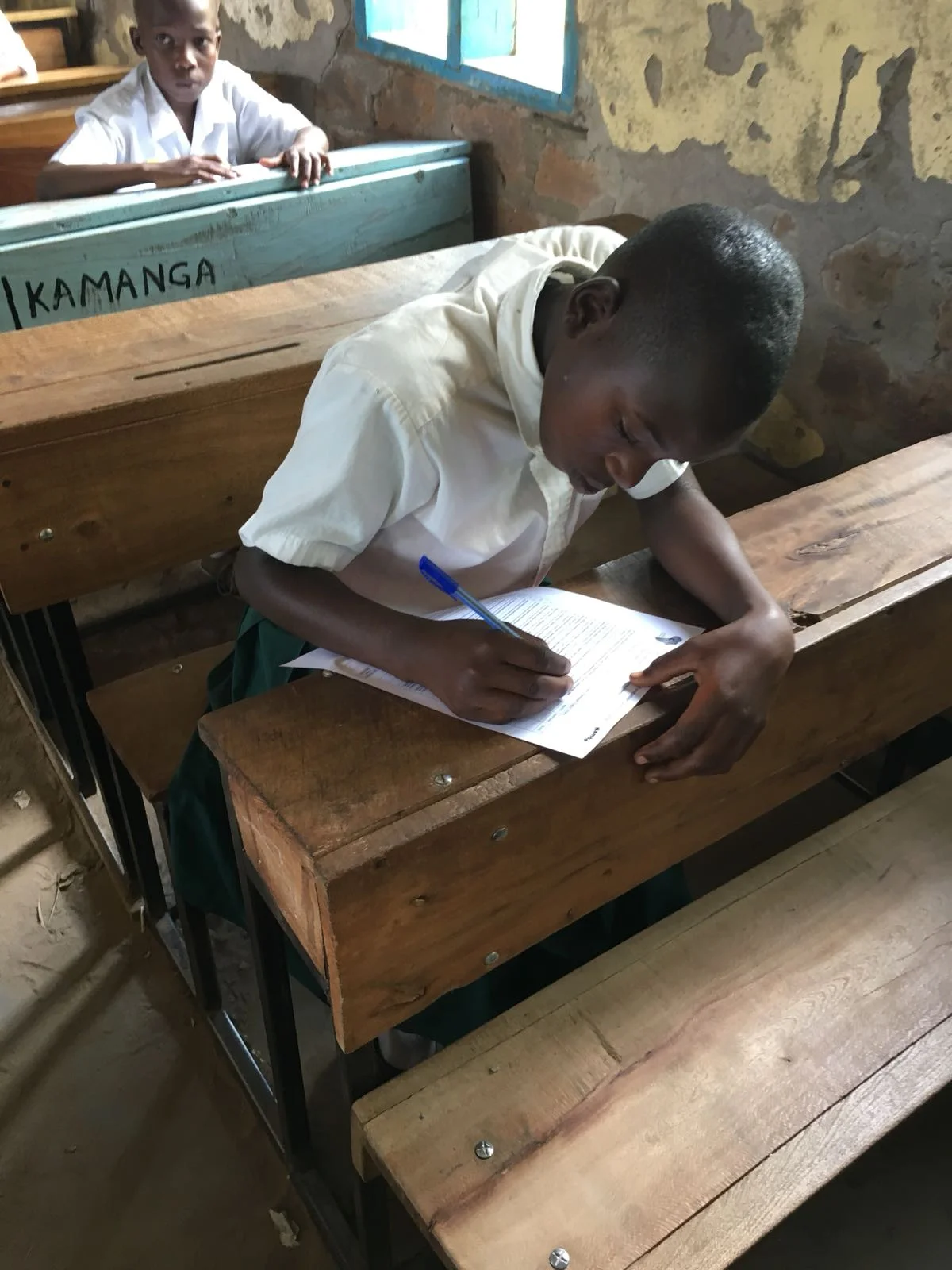
Over the past two and a half weeks, I have been on the ground in Tanzania working closely with our team and community partners. These visits are always invaluable. They allow us to assess progress face to face, strengthen partnerships, and plan the next phase of our work.
Projects are advancing, new partnerships are forming, and the impact across health, education, and livelihoods continues to grow.
Here is a snapshot of what is currently unfolding.
The New Maternity Ward Is Almost Ready
One of the biggest milestones of this visit was inspecting the new maternity ward at Kamanga Health Centre, which is now nearly complete. Only the final stage of tiling remains.
Within the next month or two, the building will be ready to open.
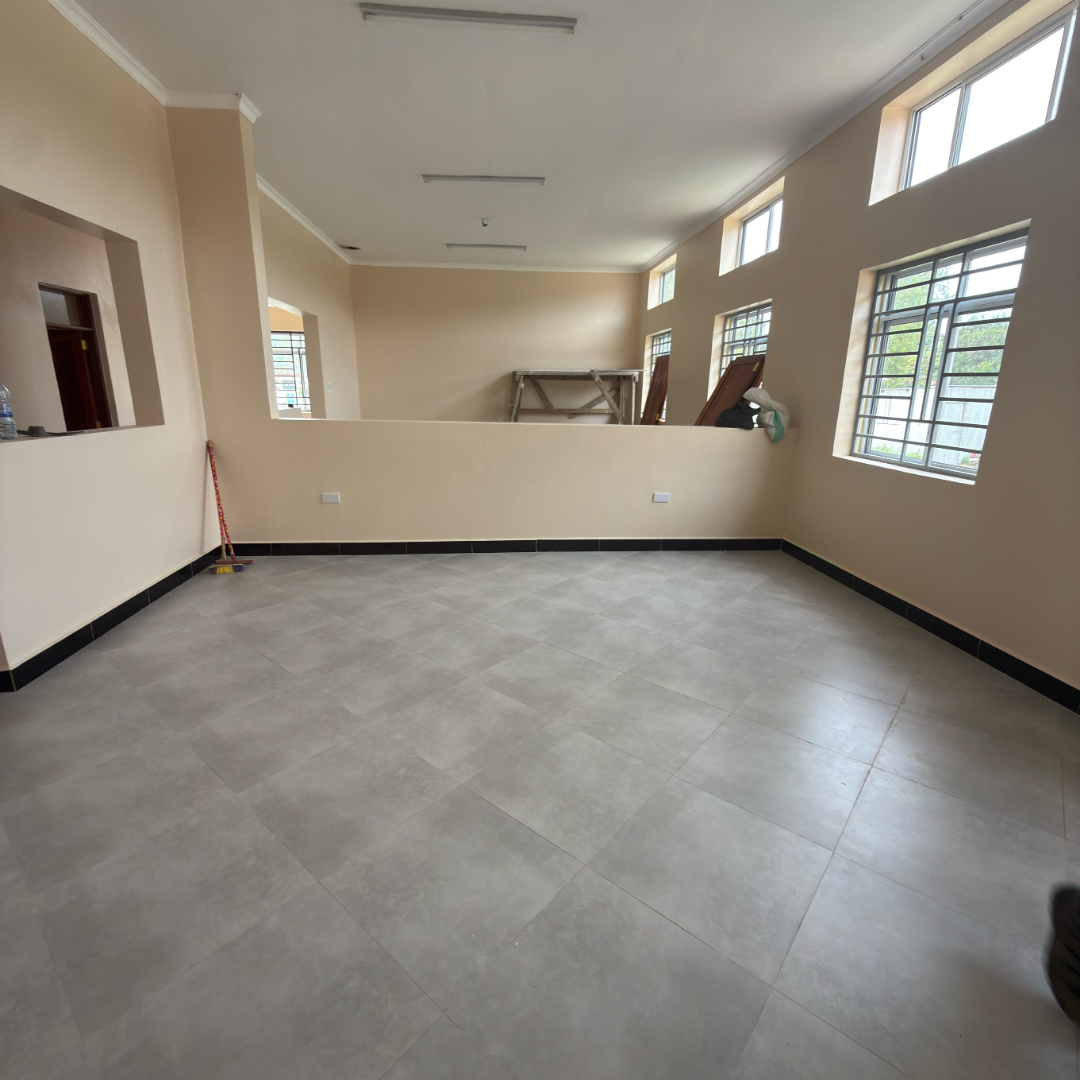
This new facility will significantly expand our maternal care capacity and allow our medical team to provide safer, more dignified care for mothers and newborns across the region.
The expansion is critical in a country where 11,000 mothers die every year during childbirth, often due to preventable causes and limited access to quality care.
The next step is equipping the ward.
We are currently seeking decommissioned but functional hospital equipment, including:
• Hospital beds
• Patient monitors
• Drip stands and related equipment
If you work in the healthcare sector or know a hospital upgrading its equipment, we would welcome a conversation about giving these items a second life in rural Tanzania.
Strengthening Our Existing Hospital
Alongside the new building, we are undertaking significant renovations to the older hospital wing.
Walls damaged during previous flooding are being repaired and repainted inside and out, ensuring the facility remains safe, functional, and welcoming for patients.
Last year we also completed a major flood mitigation effort by constructing a protective barrier wall to Lake Victoria, which now safeguards the hospital from future flooding events. With this in place, the facility is far better protected as climate patterns continue to shift.
SMILE Project: Research Phase Completed
The SMILE Project (Sustainable Maternal and Infant Lifesaving Endeavours) was officially launched this month, supported by 100 Women.
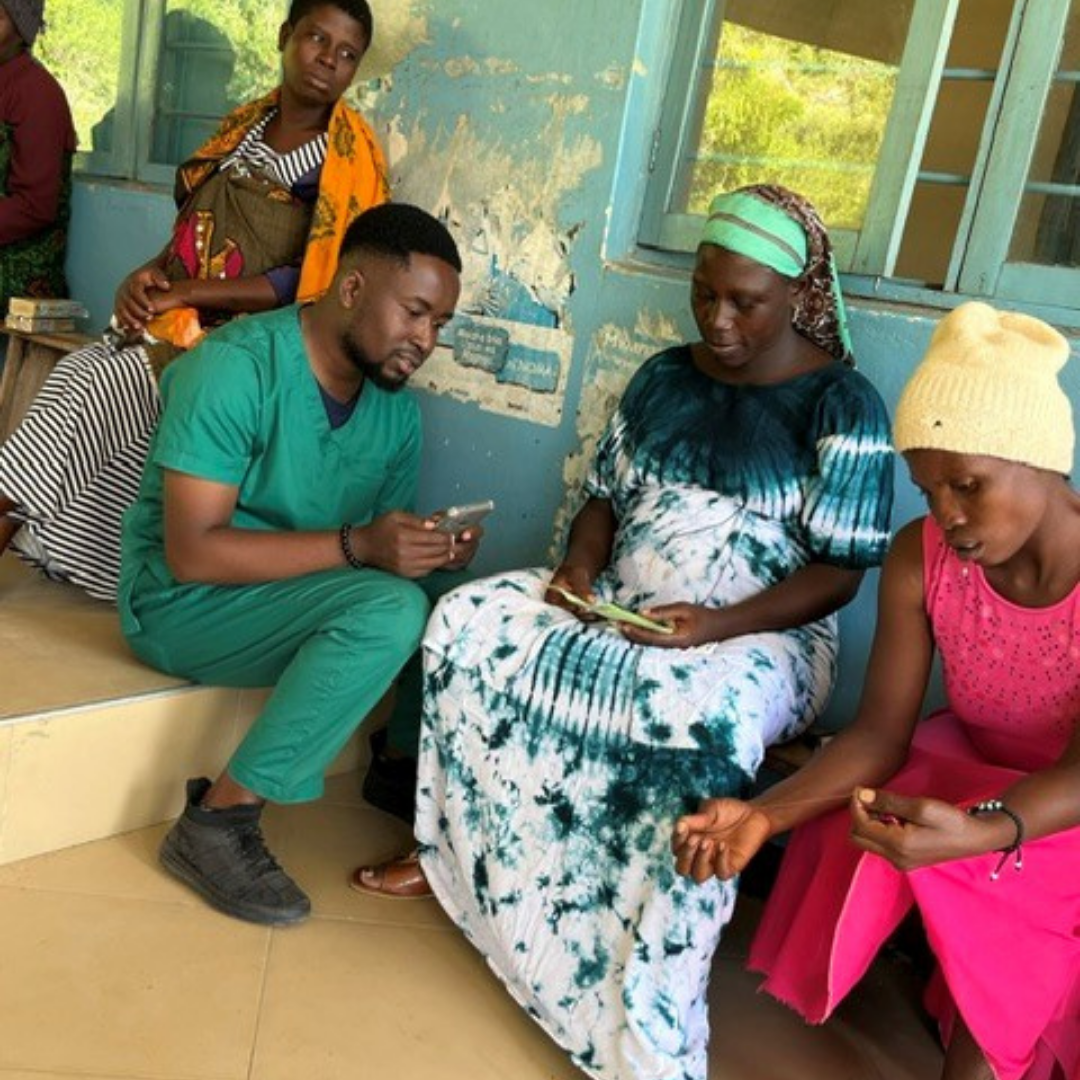
During my visit, I joined the field team for one day of the baseline survey, which was conducted across the ward over six days. The study is targeting 600 mothers and will guide the design and implementation of our maternal outreach services.
Even these early stages are already revealing important insights.
For example, we are seeing clear evidence of:
• High rates of anaemia among pregnant women
• Folate deficiency during pregnancy
• Missed antenatal care visits
These findings reinforce the need for community-based maternal care and education, which the SMILE project will address through home visits, health education, and early detection of complications.
During the survey process, the team also identified several children eligible for our outreach disability services, ensuring they can receive the support and rehabilitation they need.
The full report will be available shortly and will guide the next phase of this work.
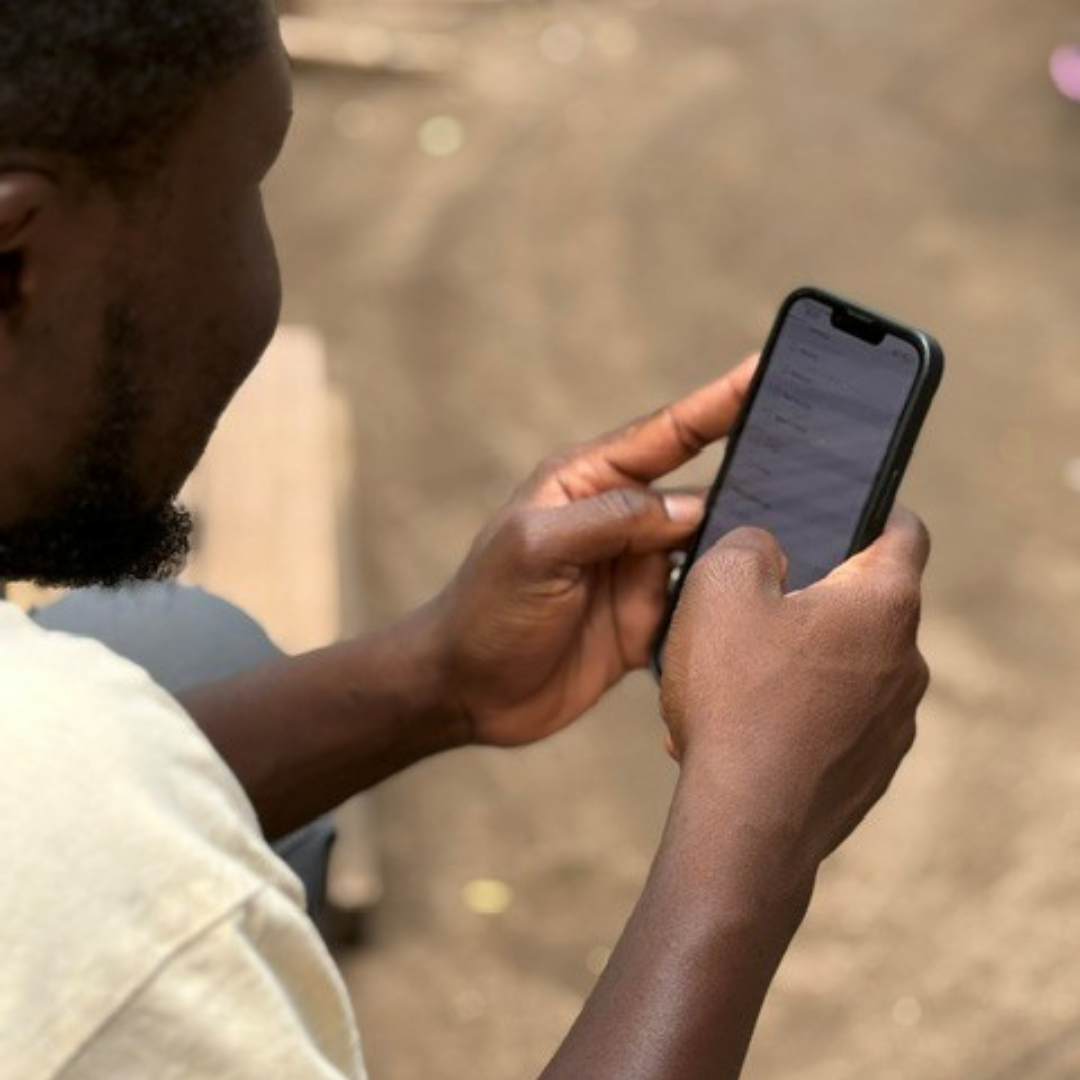
Digital Literacy: NDOTO Programme Expanding
At the Community Centre, our NDOTO digital literacy programme is now running with 10 computers, teaching 20 students at a time in a three-month course.
Participants learn practical digital skills including:
• Microsoft Word
• Excel
• PowerPoint
• Internet access and digital communication
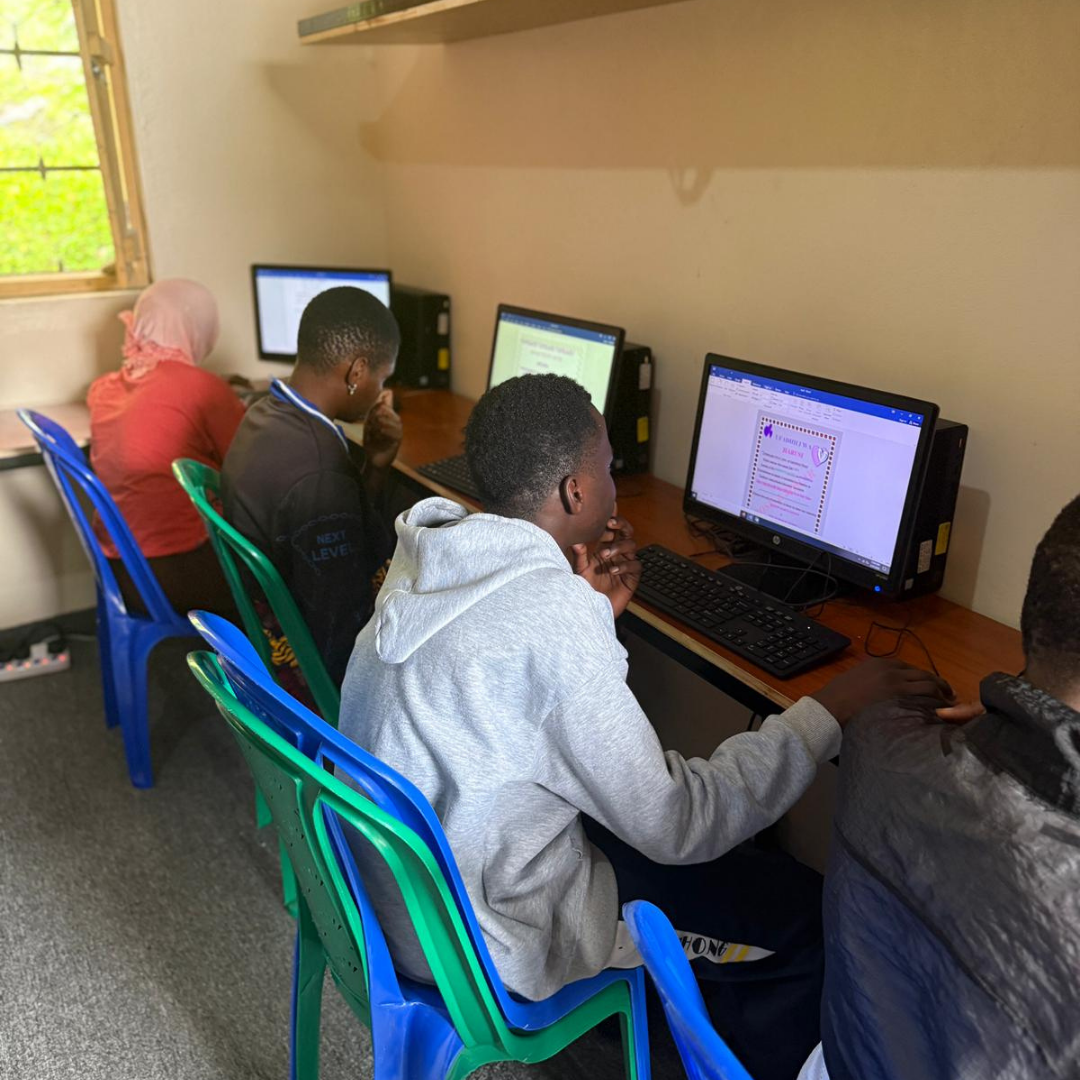
These skills are increasingly essential for employment and education, particularly for young people in rural communities where access to technology has historically been limited.
We are still actively looking for additional donated laptops or desktop computers to expand the programme further.
POWER Programme: Skills Turning Into Opportunity
The POWER programme continues to evolve as participants build practical skills for income generation.
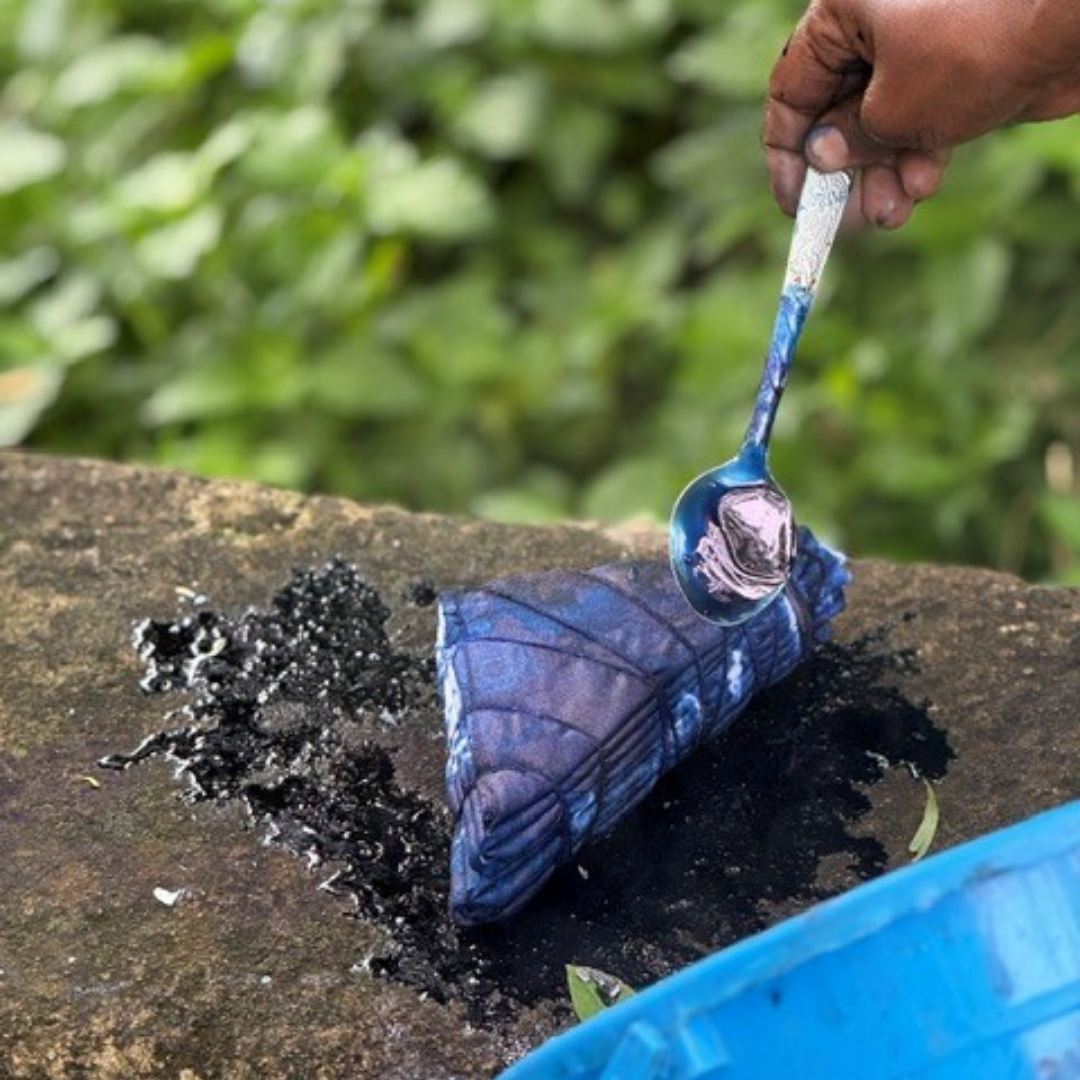
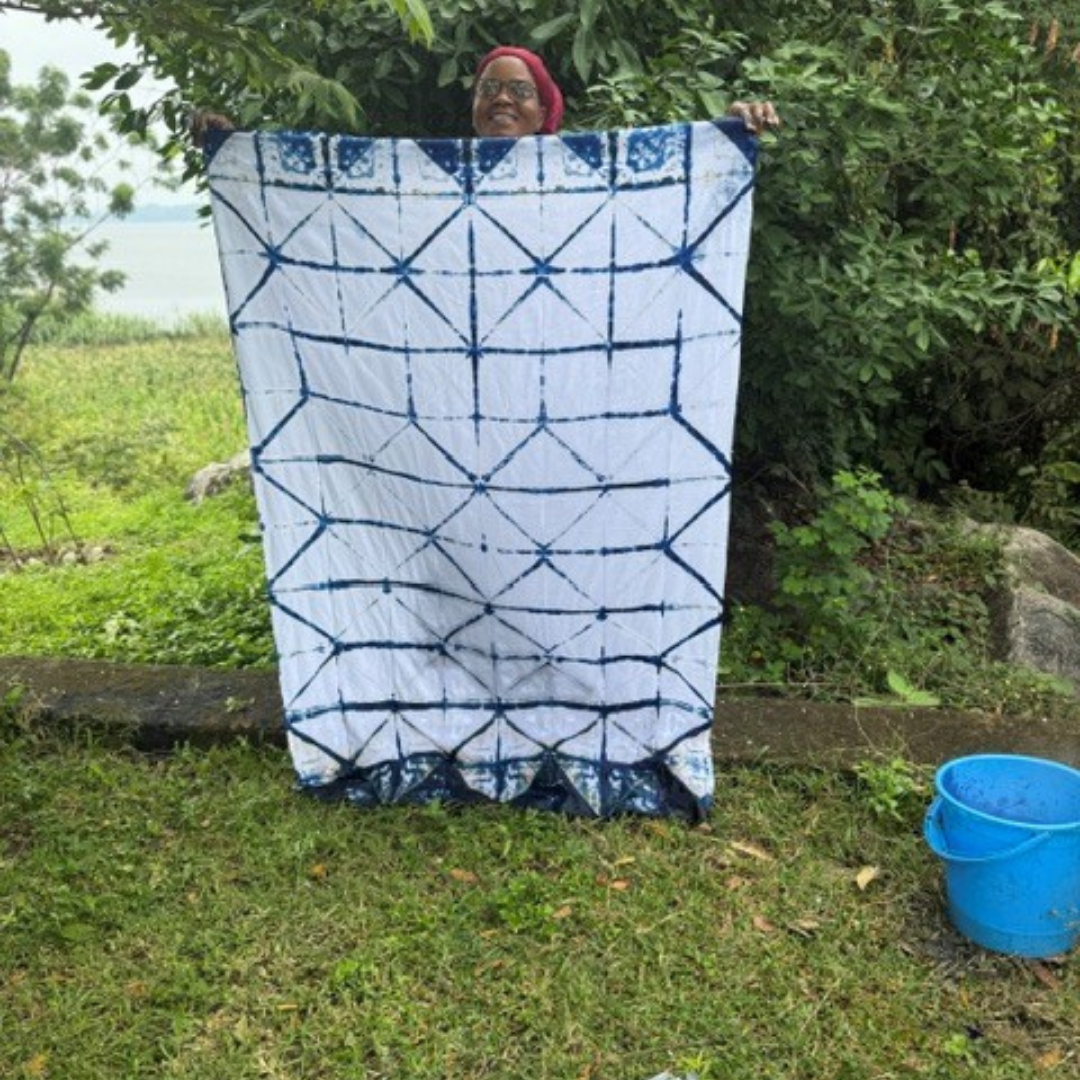
During this visit I saw participants developing new skills in tie-dye and batik textile production. These products will be sold locally and in Mwanza, the nearest major city, creating new income streams for the women involved.
New Partnership: POWER Perseus
We also took an important step forward with the POWER Perseus project, developed in partnership with the Perseus mining operation.
During the visit we travelled to the mine site and met with village representatives and ward councillors to formally introduce ourselves and begin the project engagement process.
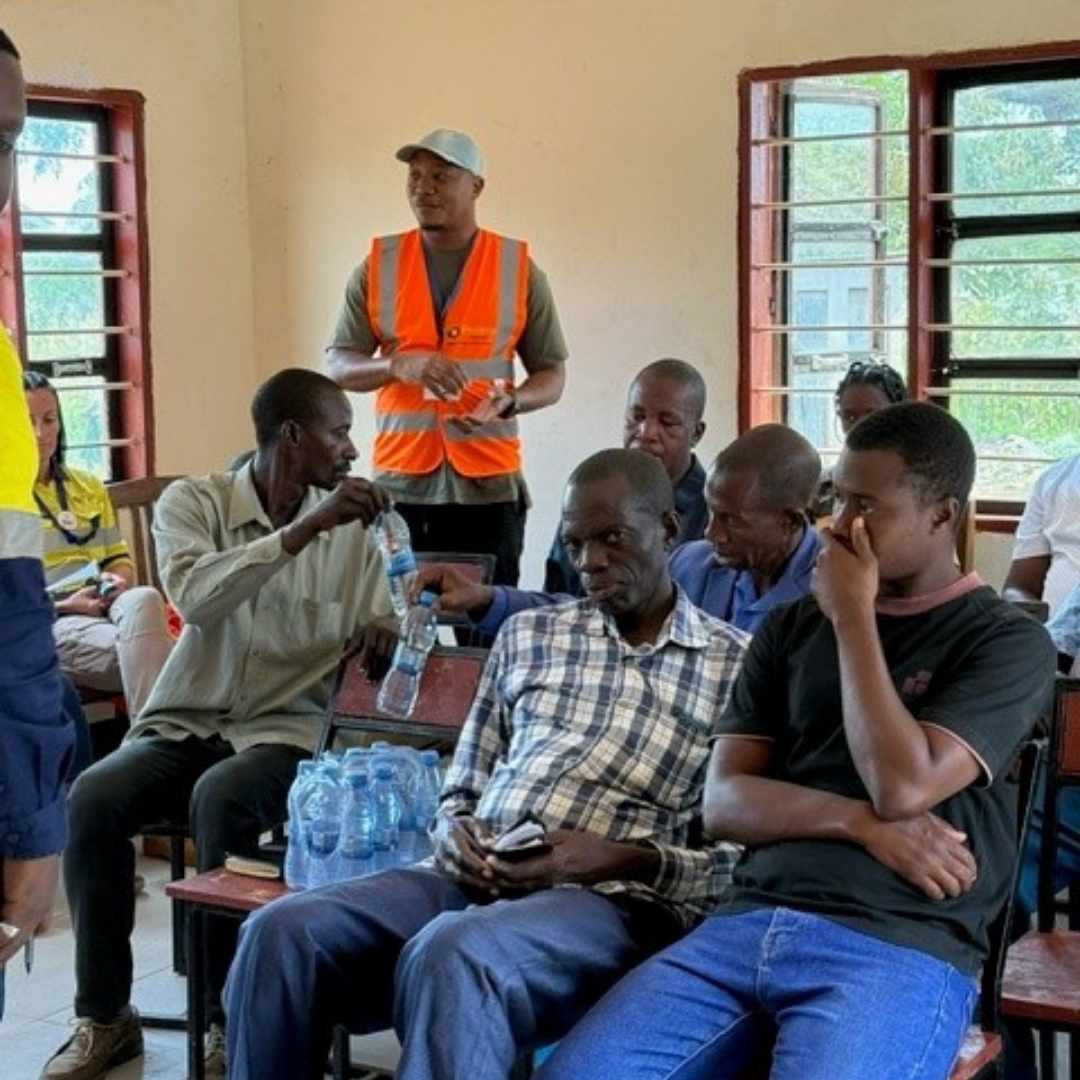
This initiative will focus on tailoring and vocational training, starting with foundational sewing skills and eventually progressing toward the production of personal protective equipment (PPE) for the mine itself.
It is an excellent example of how private sector partnerships can create locally anchored economic opportunities while supporting responsible operations in the regions where companies work.
Strategic Planning and Governance
Beyond project visits, the trip also included several important organisational milestones.
Our board meeting was held during the visit, alongside strategic planning sessions to set priorities for the next six months. We are also currently working on our annual report and budget reviews to ensure continued transparency and strong governance.
These internal processes are essential to maintaining the accountability and strategic direction that underpin our work.
Growing Recognition and Partnerships
The visit also included several important external engagements.
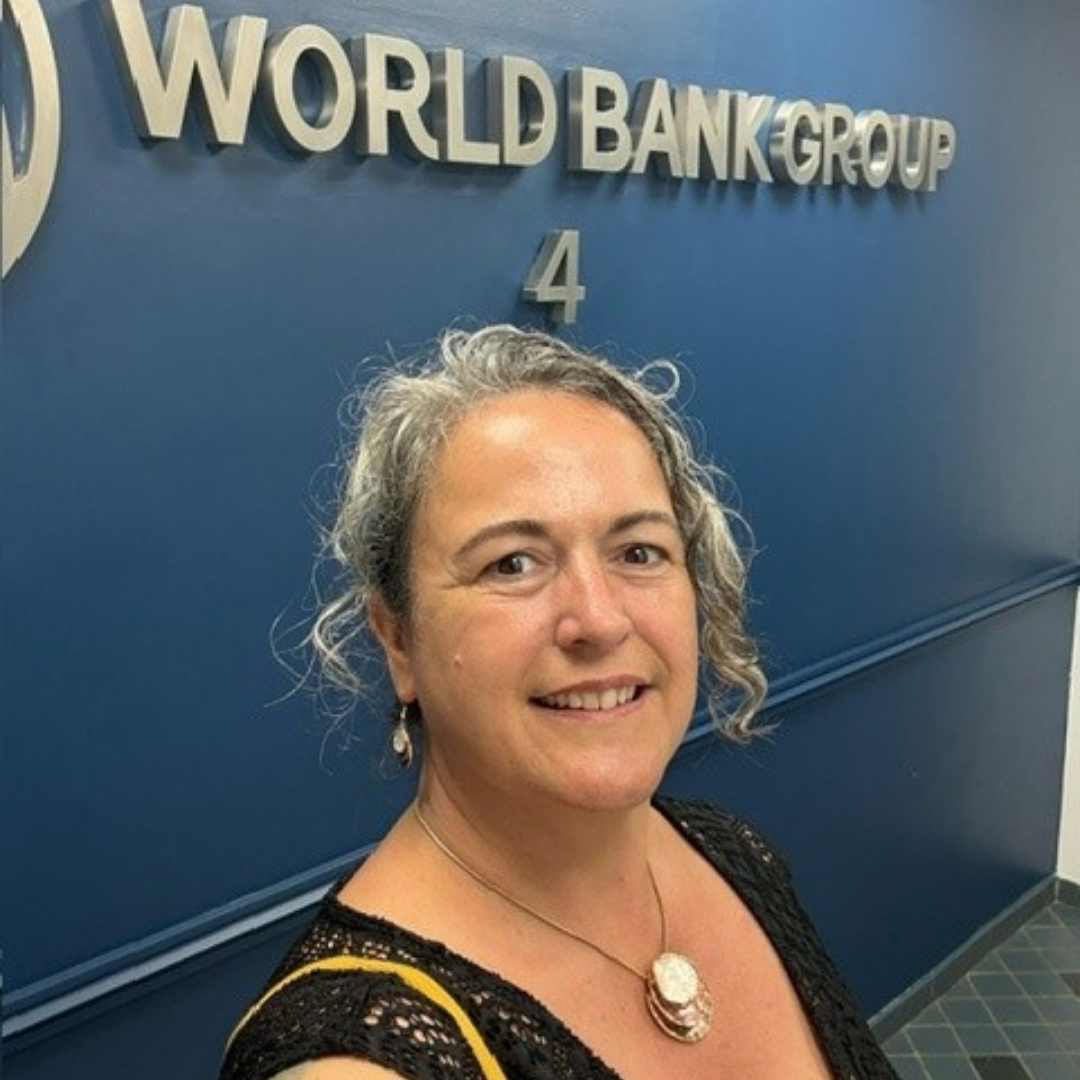
We received an invitation to participate in a World Bank consultation on Mining Sector Diagnostics, bringing together government, industry, and civil society to discuss the intersection of mining and community development.
I attended the consultation representing Australia for Cedar Tanzania, contributing insights from our experience working in mining regions.
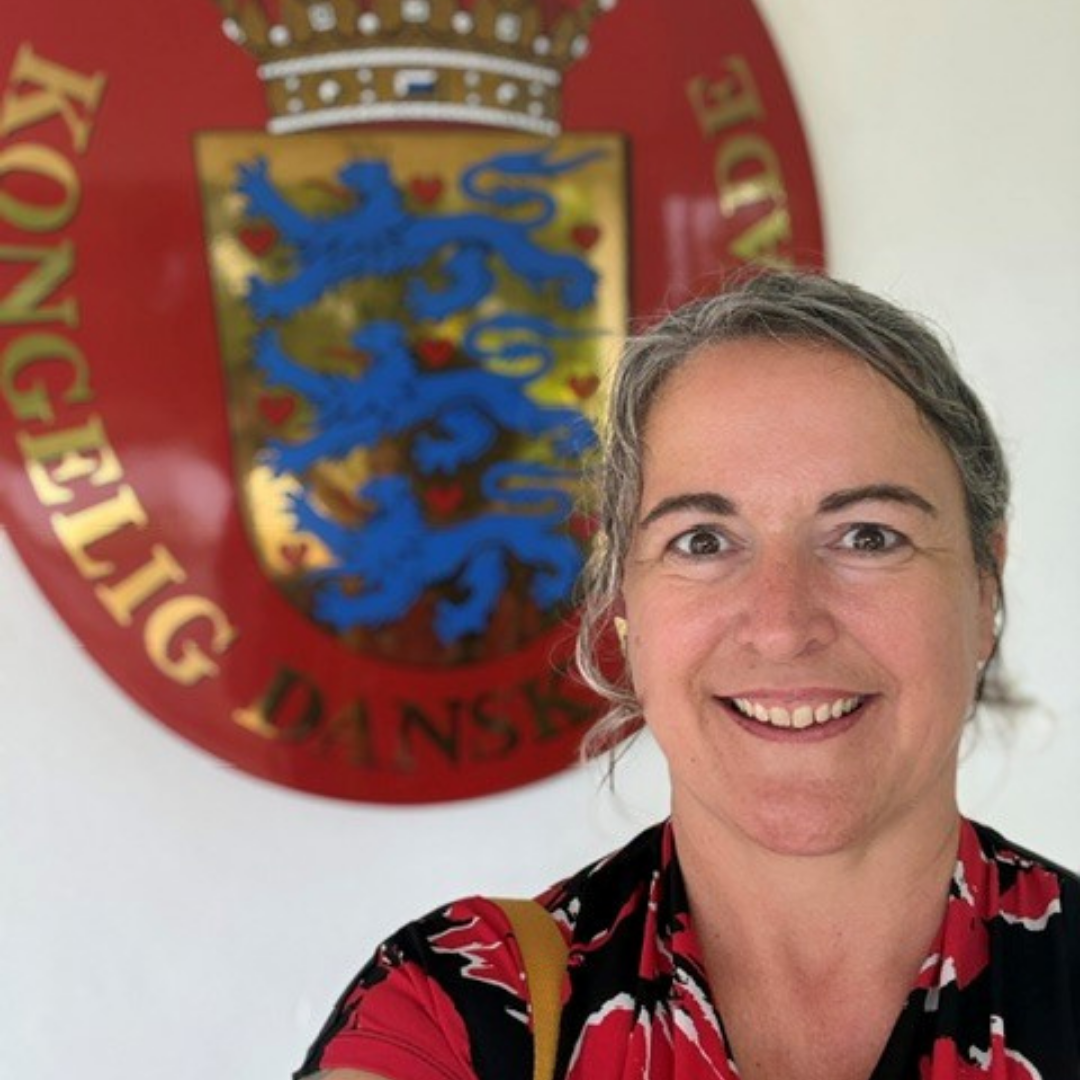
In addition, I visited the Danish Ambassador to Tanzania, creating an opportunity to discuss the broader role of partnerships in supporting sustainable development initiatives in rural communities.
Looking Ahead: Rising for Mothers
Planning also continued for our 2026 Kilimanjaro fundraising challenge:
Rising for Mothers – The Kilimanjaro Maternity Climb.
This expedition will raise funds to install solar power for the new maternity ward, ensuring uninterrupted electricity for lighting, medical equipment, and safe deliveries.
There is still room for additional climbers, so if you have ever dreamed of standing on the roof of Africa while supporting maternal healthcare, this may be your moment.
Moving Forward Together
Every visit to Tanzania reinforces why this work matters.
Behind every project, survey, training programme, and hospital ward are thousands of people working together to create stronger, healthier communities.
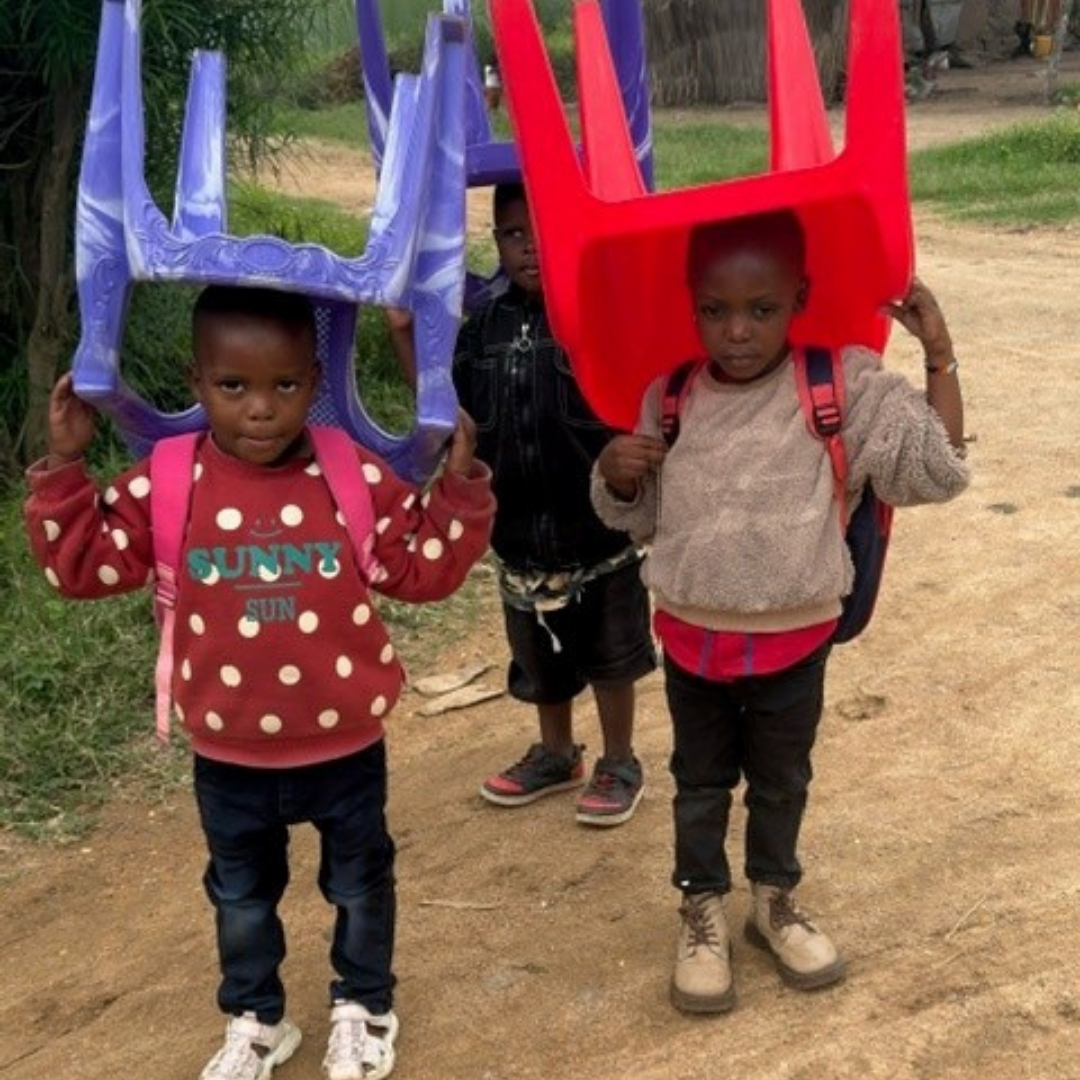
Thank you to everyone who continues to support this journey.
Together, we are building systems that last.
With gratitude,
Nina and the Cedar Team