#Australia

Saving Together: How SHGs Are Strengthening Communities

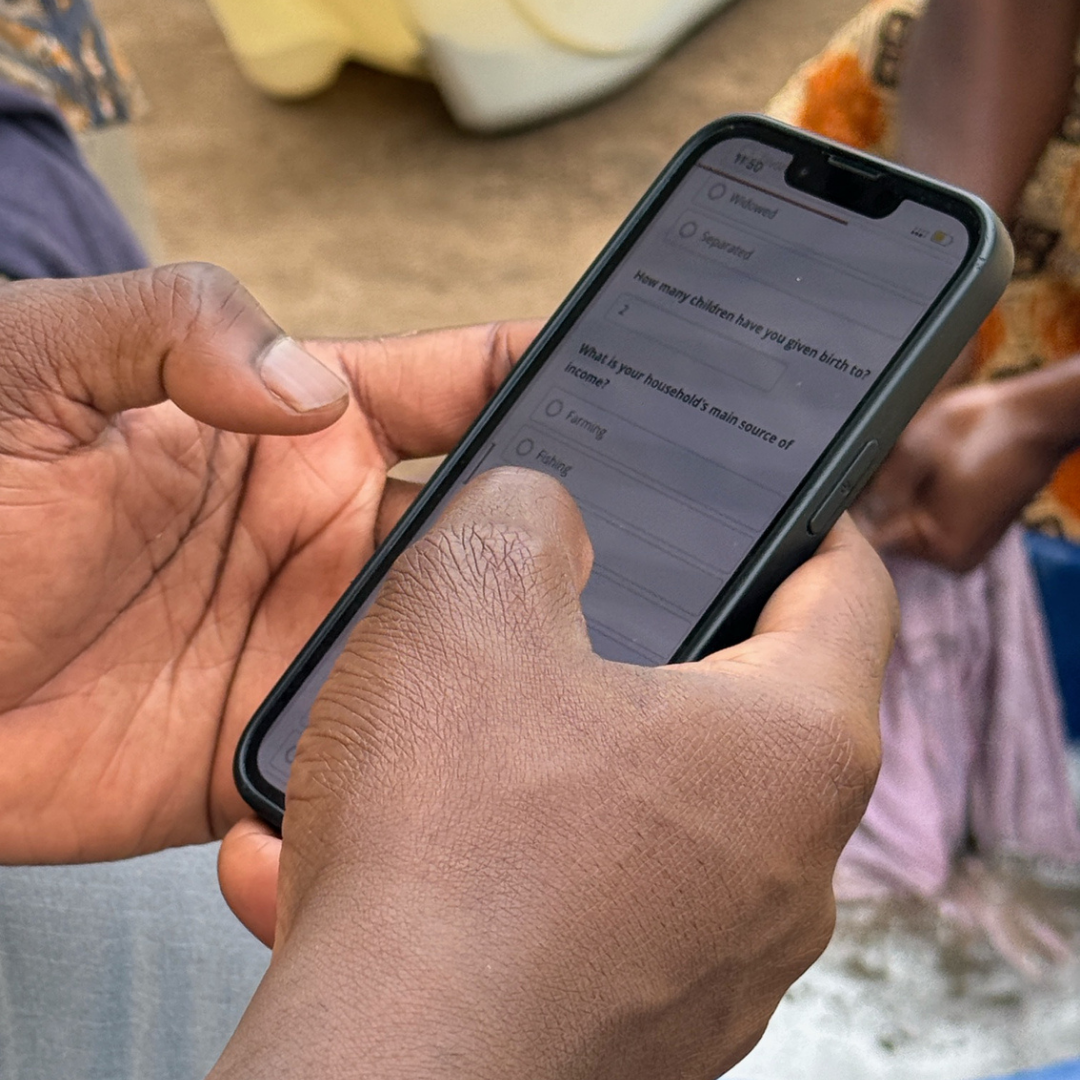
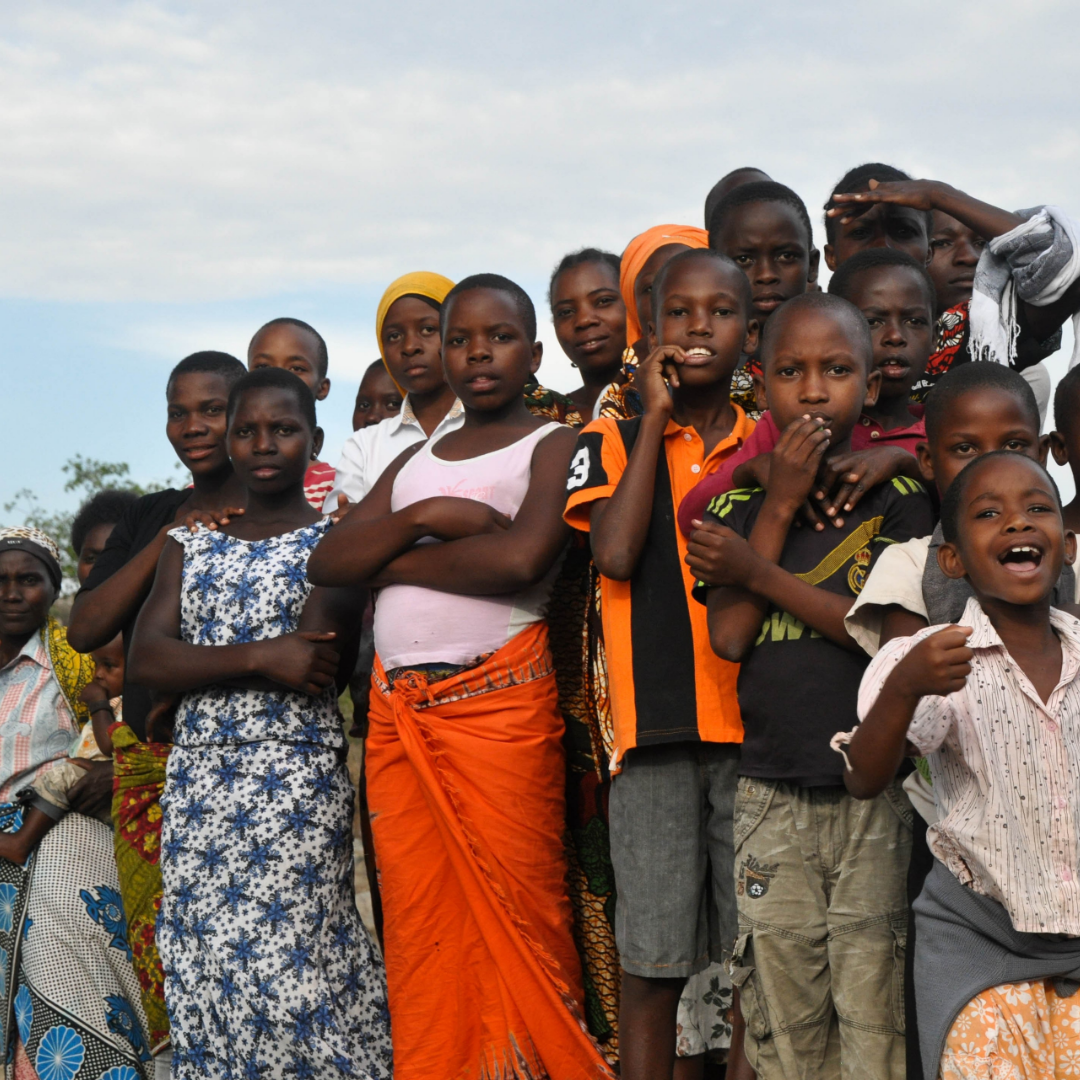
Across many communities in rural Tanzania, access to formal banking, loans, and financial education remains extremely limited.

For many families, unexpected expenses such as medical costs, school fees, crop failure, or repairs to fishing equipment can quickly become a major financial crises.

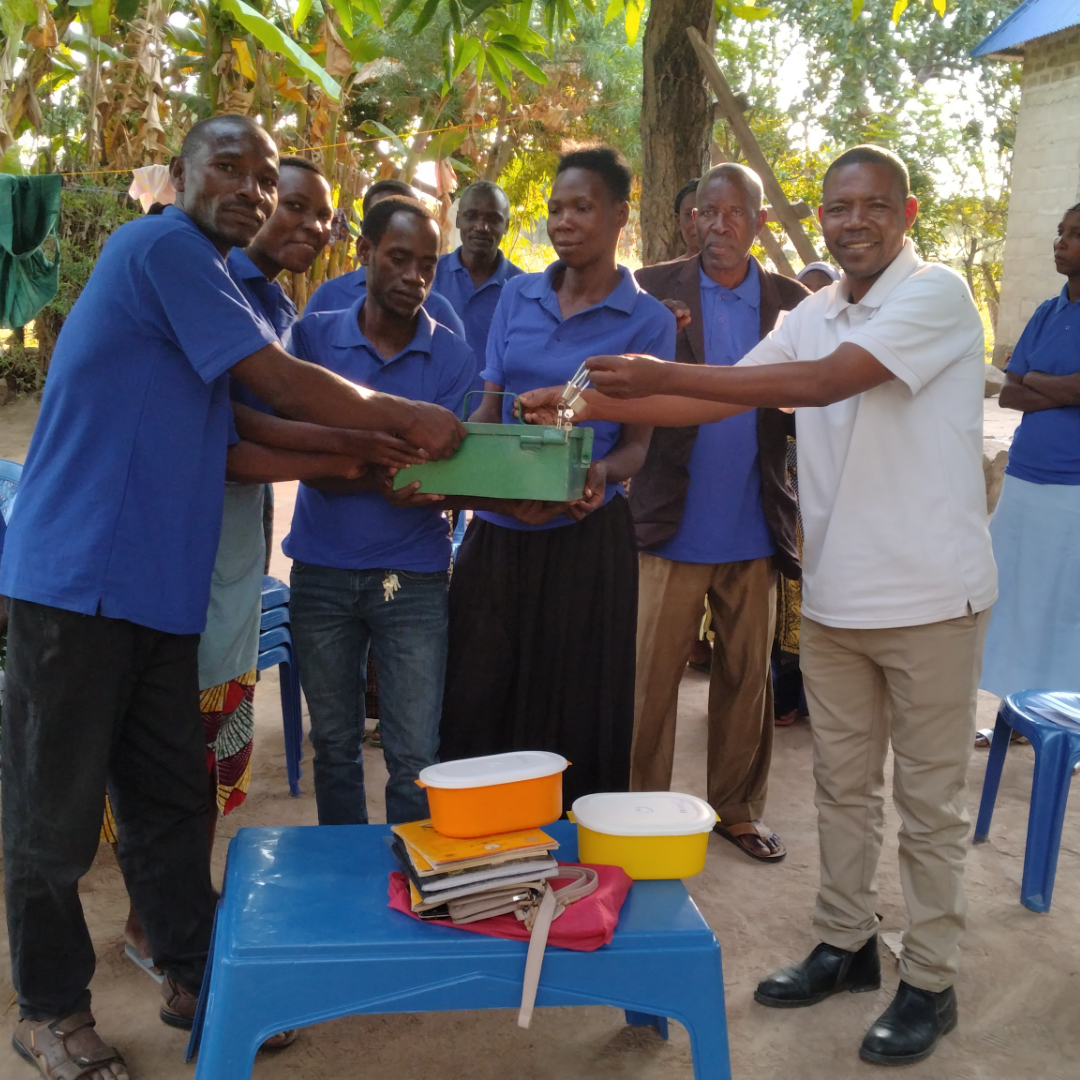
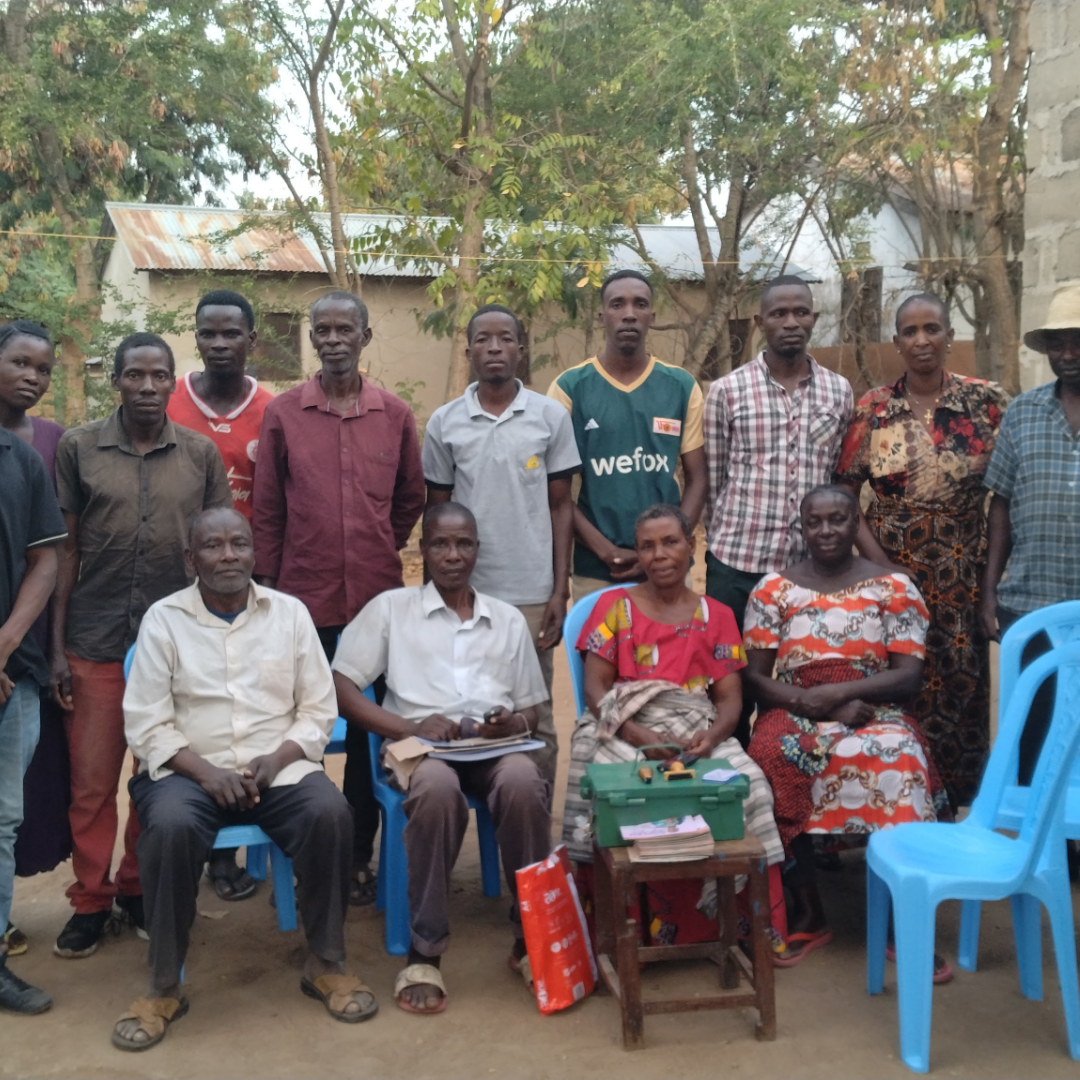
To strengthen long-term financial resilience within the community, we have facilitated SHGs (Savings and Loans Groups) across the areas we work in.

These groups create safe, structured spaces where community members save, learn, and support one another financially.
What Is An SHG?

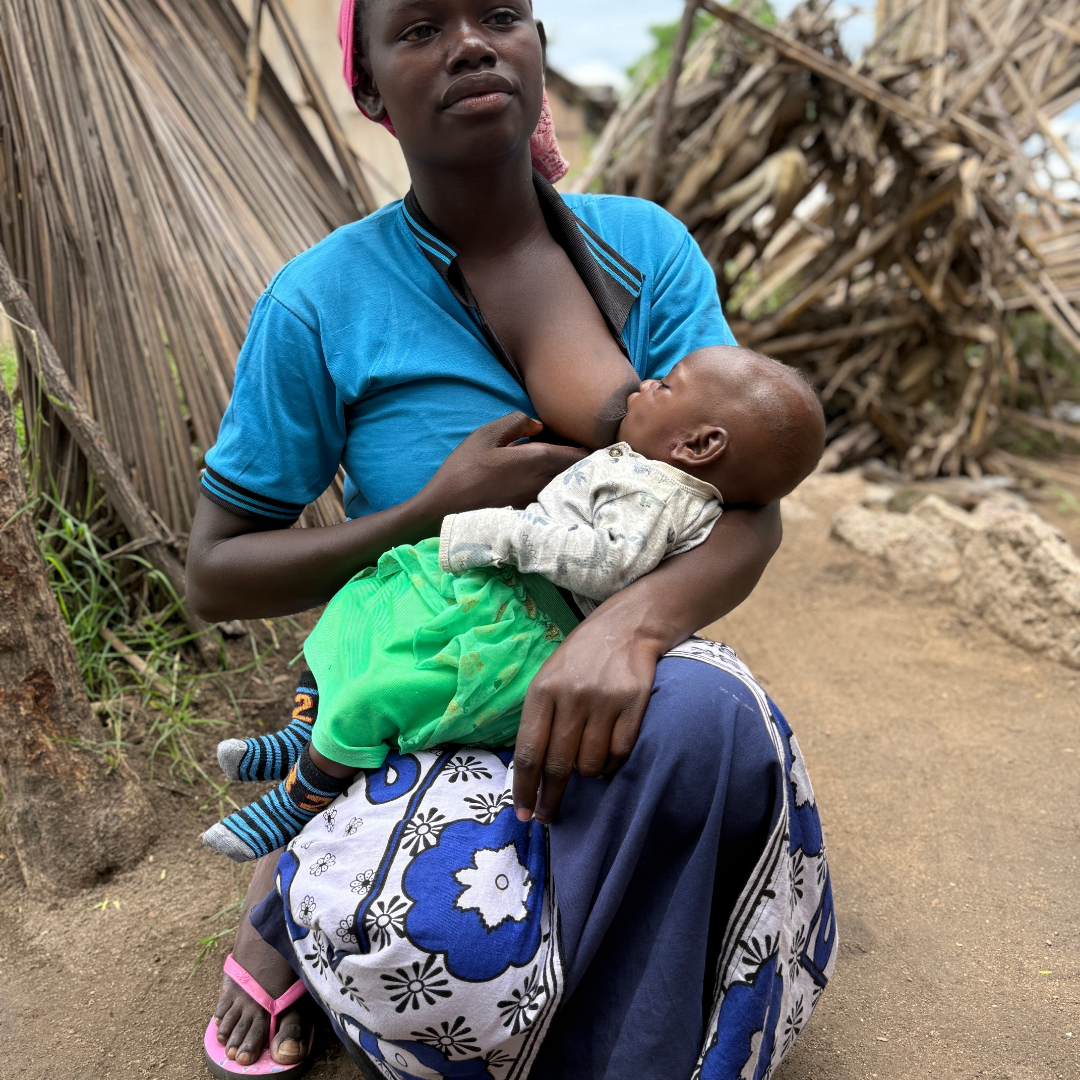
A Savings and Loans Group is a community-led group in which members contribute small savings each week into a shared pool.

Members can then access small loans from the group to:

  • start or expand small businesses

  • support farming activities

  • pay school fees

  • manage medical expenses

  • respond to emergencies

  • create greater household stability

The groups also provide practical education in:

  • financial literacy

  • budgeting

  • bookkeeping

  • conflict resolution

  • entrepreneurship

  • loan management and repayment

The training is intentionally practical and accessible, ensuring participants can immediately apply their new skills within daily life and income-generating activities.

Community-Led Financial Resilience

Together, members have accumulated significant shared savings and social support funds through regular contributions and collaborative financial management.

Importantly, these groups are not externally controlled financial programmes. They are community-owned systems built on trust, accountability, and mutual support.

The impact extends far beyond money alone.

SHGs strengthen:

  • financial confidence

  • local leadership

  • problem-solving skills

  • economic participation

  • social support networks

  • long-term household resilience

For many participants, this is the first time they have had structured access to savings systems, financial planning, or small-scale lending opportunities.


Building Stronger Communities

The Community Centre continues to provide weekly training and mentorship to support the long-term success of these groups.

Topics include:

  • financial planning

  • business development

  • bookkeeping

  • group governance

  • communication and collaboration

Health and social topics are also integrated where relevant, reflecting the close connection between financial stability, wellbeing, and community resilience.

These programmes are designed to strengthen long-term self-reliance and create sustainable pathways for families to improve their economic stability.


In areas where there are:

  • no formal banking services nearby

  • limited employment opportunities

  • unreliable transport infrastructure

  • and ongoing financial pressures

Community-based savings groups can become powerful tools for stability and growth.

Small weekly savings can help families:

  • avoid high-risk debt

  • manage unexpected costs

  • invest in small businesses

  • improve food security

  • keep children in school

  • and create greater financial independence

The impact is practical, local, and long-term.
Community-Led Change In Action

The SHG programme reflects Cedar Tanzania’s broader approach to development:

  • locally driven

  • skills-focused

  • sustainable

  • and community-led

By strengthening local financial resilience, these groups are helping communities create their own pathways toward greater stability and opportunity.

And importantly, they are doing it together.

With gratitude,

Nina and the Cedar Team
What 1,490 visits actually mean.

In rural Tanzania, access to healthcare is not a given.

For many individuals living with disability, distance, cost, stigma, and lack of information create barriers that prevent any engagement with formal medical services. Without intervention, conditions go untreated, complications escalate, and entire households carry the burden.

This is why our Outreach Healthcare Programme exists.

And this is what impact looked like in the first quarter of this year.

429 individuals living with disabilities are now registered in our programme across the two wards we serve.
Each month, our team reaches an average of 264 people in their homes, delivering consistent, personalised care. Some people receive frequent visits, others only when needed, depending on their individual needs.
In total, 1,490 home visits were conducted this quarter alone. That is an average of 24 visits per day across our 3 teams.

But these numbers only tell part of the story.

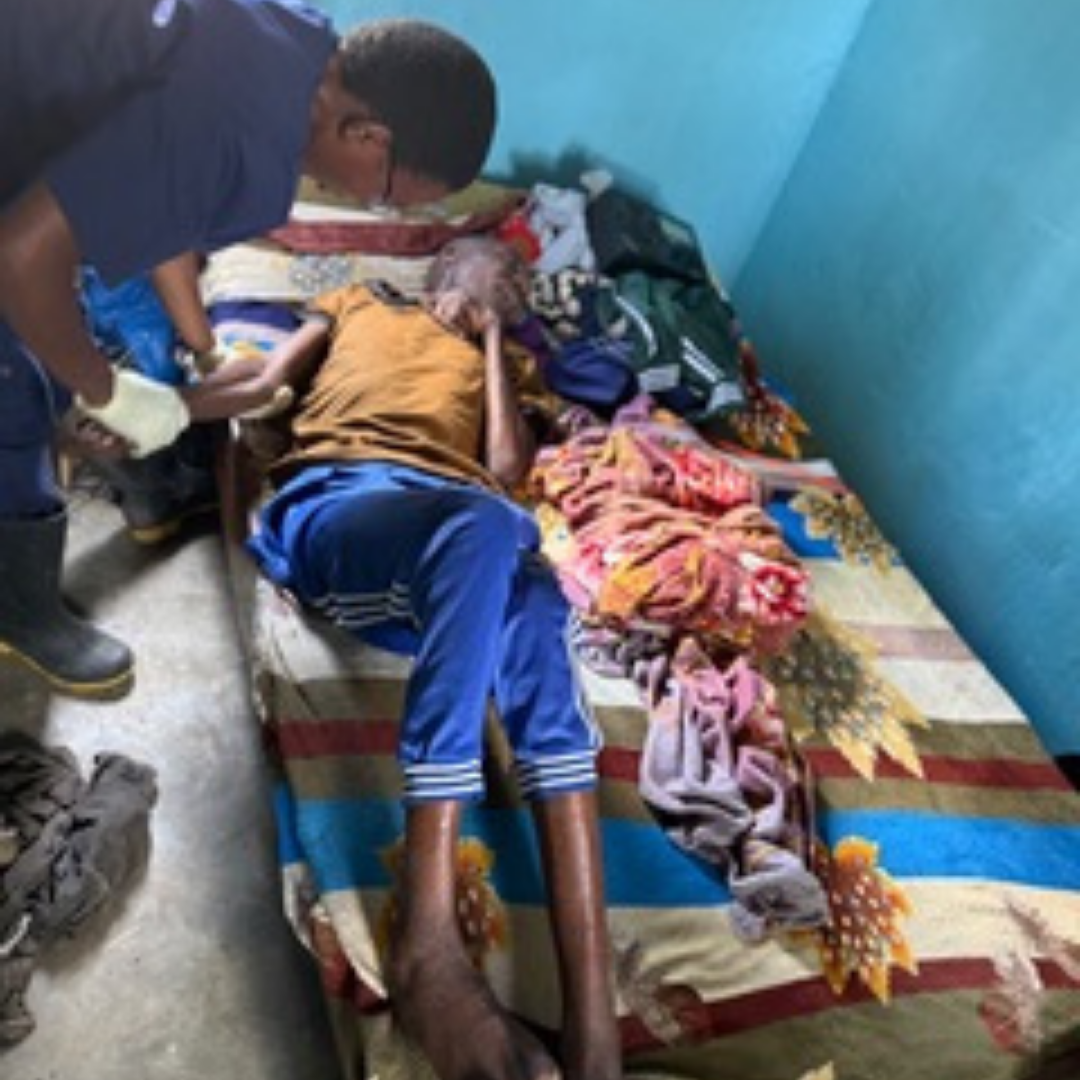
Our team were alerted to a man who had experienced multiple strokes.

Without access to formal healthcare, he had initially sought treatment through a traditional healer. The underlying cause, high blood pressure, remained undiagnosed and untreated. After a second stroke, he was left bed-bound, with significant loss of mobility.

By the time our team reached him, his condition had progressed severely.

Today, that trajectory has changed.

Through consistent outreach support, his blood pressure is now stabilised with medical treatment. He is receiving ongoing physiotherapy and occupational therapy to rebuild strength and coordination. With a wheelchair, provided by our team, he is no longer confined to bed and can sit up, move outside, and re-engage with daily life supported by his family.

This is what access to continuous, community-based healthcare makes possible.

Reaching beyond the visible

During another visit, also to a stroke patient, another story emerged.

In the background of the household was a young girl who is unable to speak. She had never been assessed by a medical professional, and the cause of her condition remains unknown.

Without this visit, it is unlikely she would have entered any form of care.

She is now registered in our programme. Our team is working with her family to better understand her needs and ensure she receives appropriate support moving forward.

This is a critical part of outreach that is often unseen.

Each visit does not only deliver care but also identifies individuals who would otherwise remain completely outside the healthcare system.

A system, not a single service

These are not isolated cases.

For many of the individuals we reach, this is not just their first treatment—it is their first contact with any form of medical care.

Our outreach model creates a continuous pathway:

  • Identifying individuals in their homes

  • Providing immediate care and assessment

  • Connecting them to services at Kamanga Health Centre

  • Delivering ongoing follow-up through regular visits

This work takes place across a geographically large area, covering the wards of Nyamatongo and Ngoma, home to tens of thousands of residents. Roads are limited. There are no paved roads, only a small number of main dirt roads, and many areas are accessible only by narrow tracks that cannot be reached by car.

To navigate this, our teams operate in pairs using off-road motorbikes—often the only way to reach the most remote households. All team members undergo driving lessons and safe riding training, with annual refreshers to ensure both safety and reliability in the field.

Alongside this, our team continues to build local capacity. Weekly occupational therapy clinics are running at Kamanga Health Centre, and team members are undertaking further medical and counselling training to strengthen long-term service delivery.

This is how sustainable, community-led healthcare systems are built.

Looking ahead

We are now working towards registering and supporting 500 individuals across our areas, ensuring that those currently beyond the reach of the healthcare system are not left behind.

Because access to healthcare should not depend on where you live, your mobility, or your circumstances.

It should be consistent, reliable, and within reach.

And that is exactly what outreach is designed to deliver.

With gratitude,

Nina and the Cedar Team
What did you do last week?

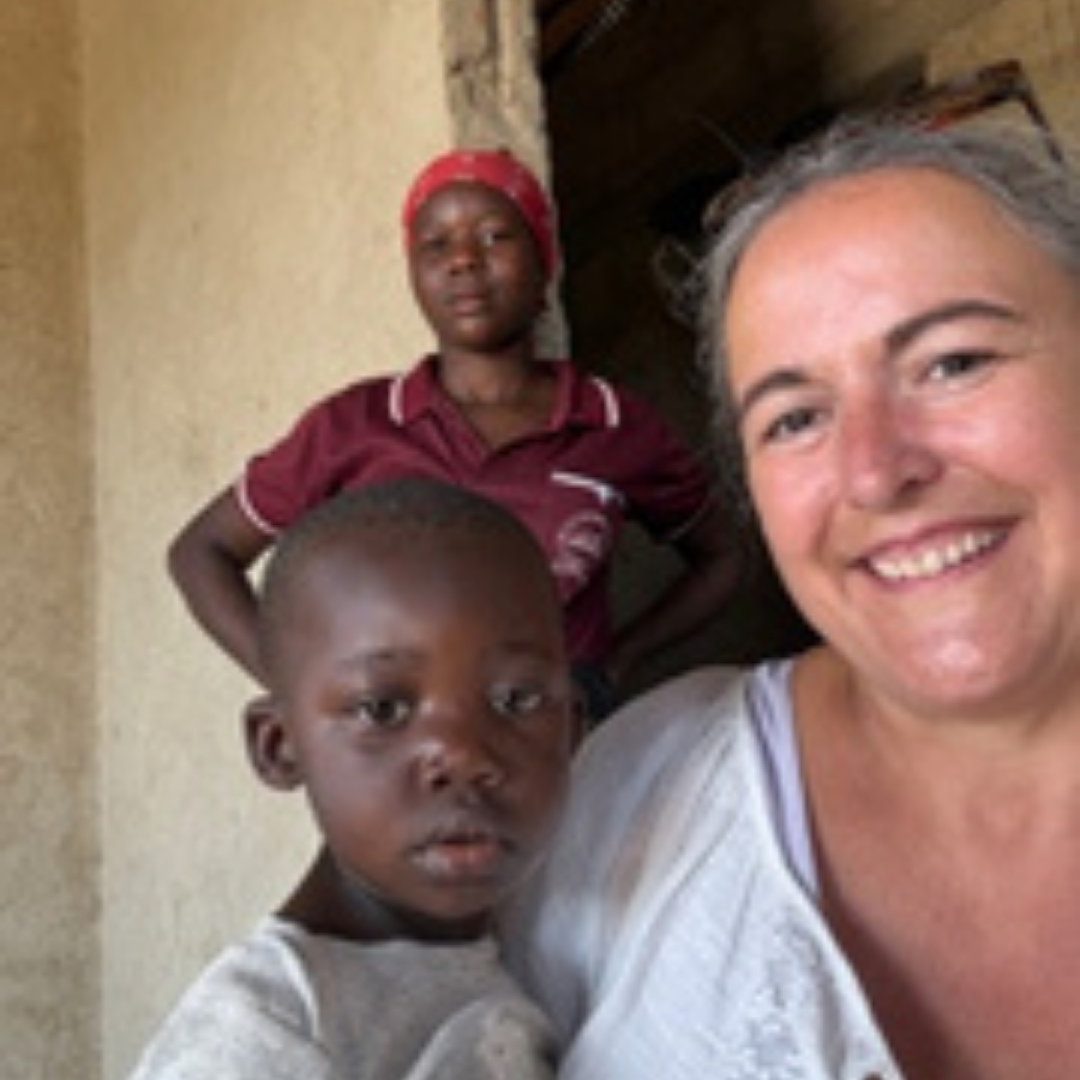
This is what I was doing:

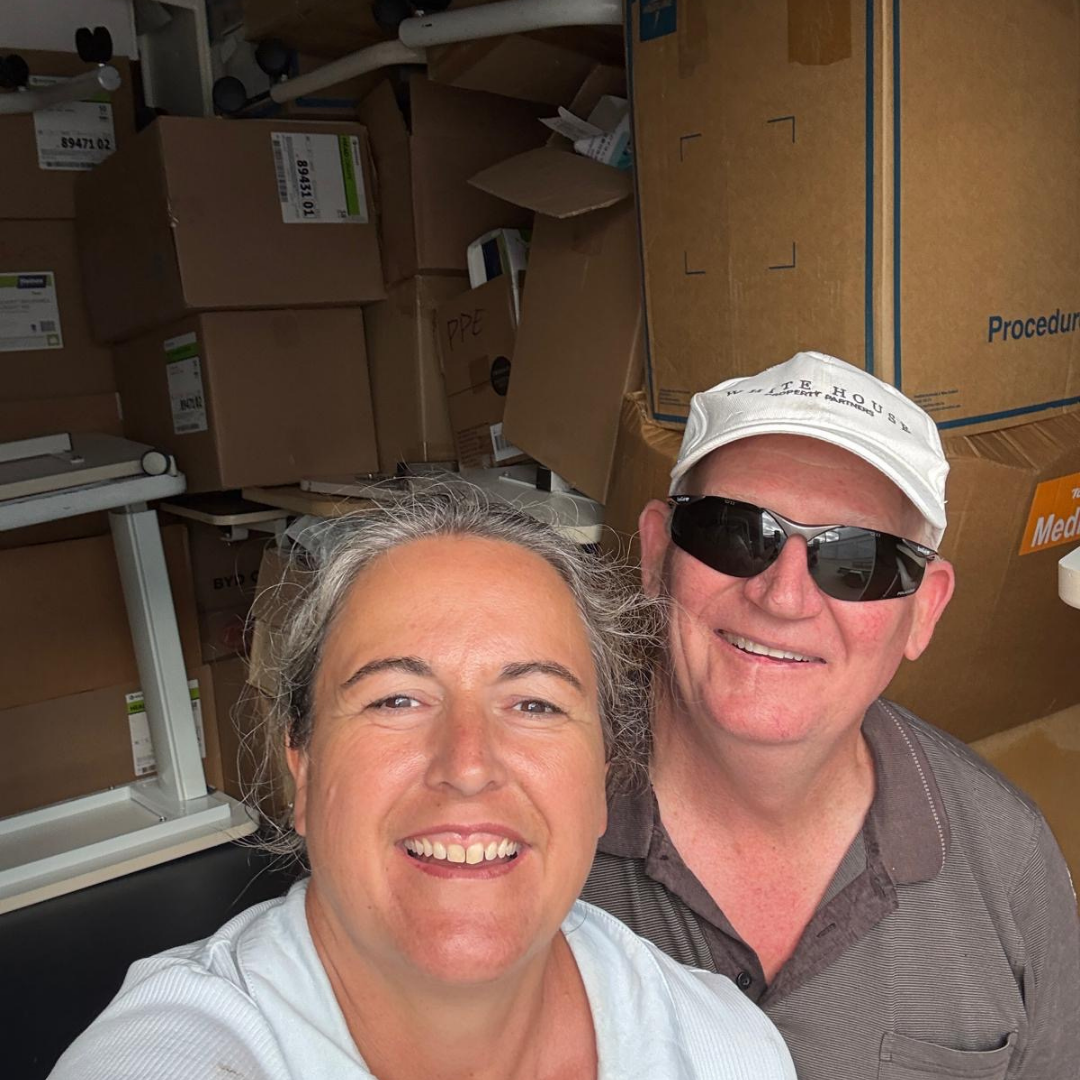
Sweating. Lifting. Sorting. Driving back and forth… again and again. In total, 14 carloads.

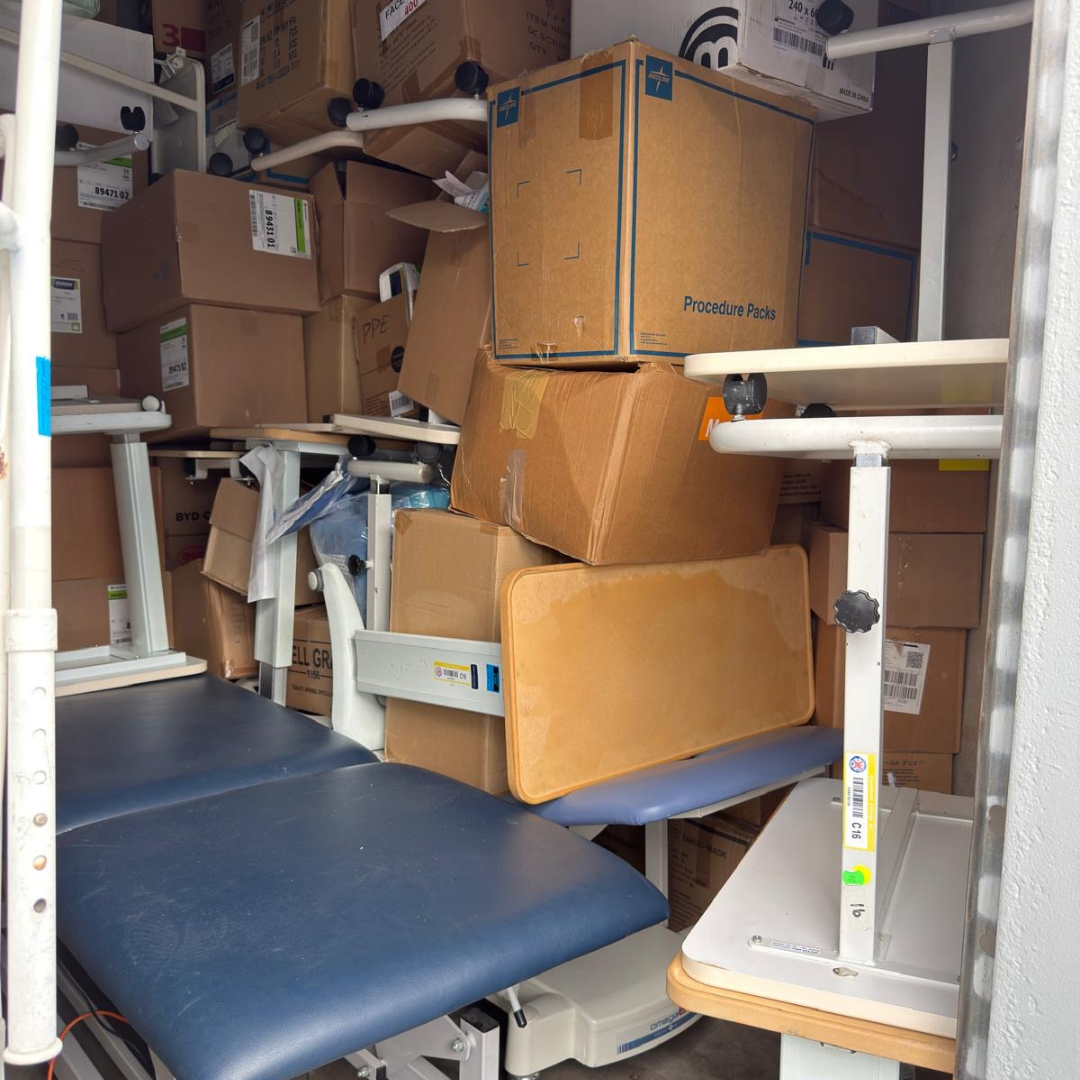
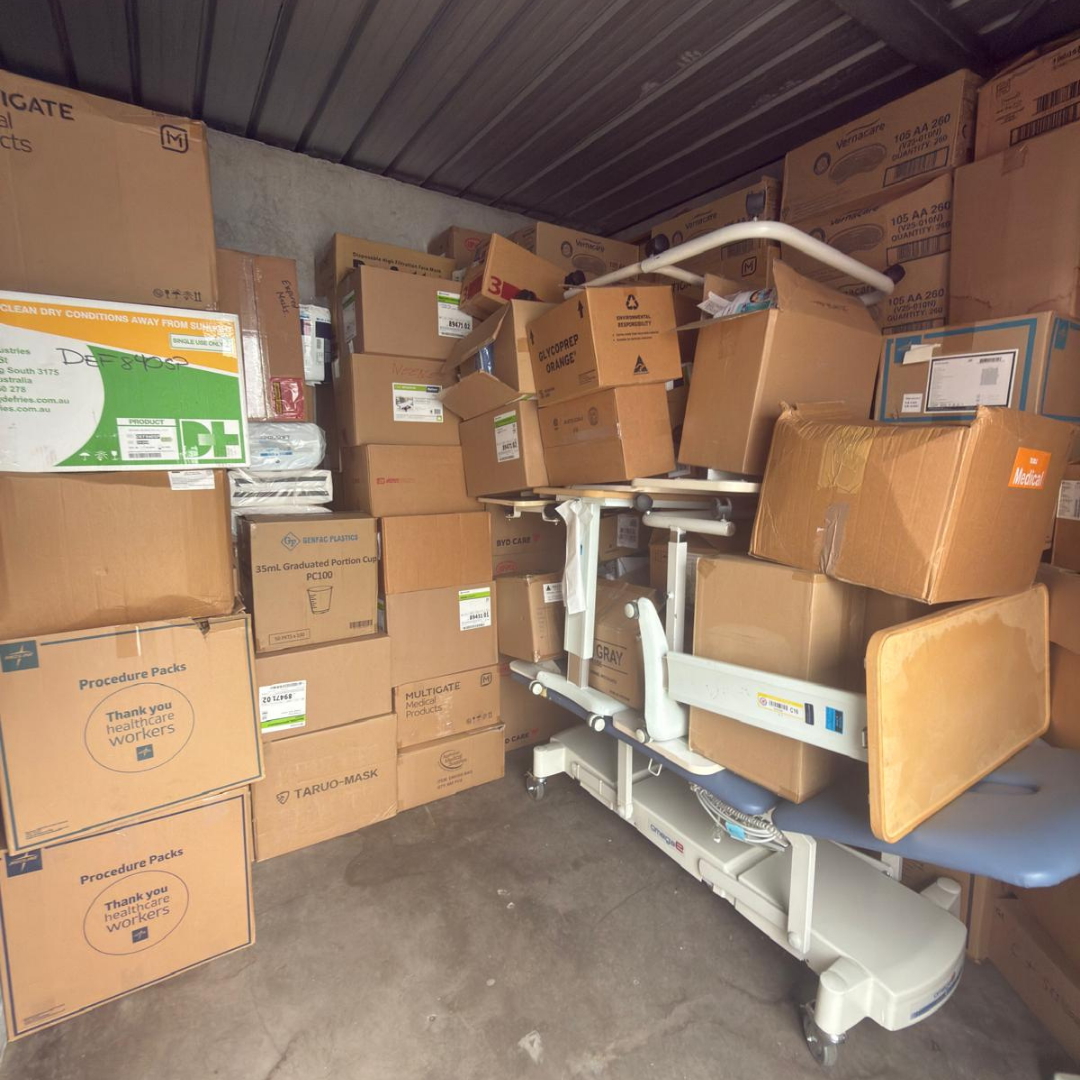
We have been collecting decommissioned medical equipment and consumables. Everything from beds to facemasks that are no longer needed here but are still incredibly valuable at our hospital and with our outreach teams. And last week, it became very real, very physical work.

It is dusty warehouses, heavy lifting, figuring out how to fit one more item into an already full car, and then doing it all over again. It is that moment of standing still for a second, looking at what has been gathered, and realising what it could mean on the ground in rural Tanzania.

This is a hospital bed where someone will recover.
A birthing bed where a mother will safely deliver her child.
A drip stand that supports treatment that would otherwise not be possible.

The response has been generous. People are saying yes. Items are coming in.

And now… we are running out of space.

Quite simply, we cannot keep going at this pace without somewhere to put it all, and a way to move it.

So I am asking directly:

  • Do you have access to a 40ft shipping container we could use?

  • Do you know of hospital beds (we need 40-60 beds)?

  • Or 4 birthing beds?

  • Drip stands and similar equipment are also urgently needed.

  • Or a truck we can use to pick up some heavy stuff in Mandurah?

If you have something, or know someone who might, please reach out.

This is what last week looked like.

And with the right support, this is something we can turn into real, tangible change.

Thank you for being part of it.

With gratitude,

Nina and the Cedar Team
Access isn't the issue. Timing is.

More women than ever are reaching healthcare services in rural Tanzania.

We recently conducted a wide-ranging survey, interviewing nearly 700 pregnant women and mothers with infants. The findings are both encouraging and instructive.

Our data shows that 92% of women attend antenatal care and/or give birth in a health facility.

This is real progress.

But the data also tells a deeper story - and highlights gaps we cannot ignore.

The gap we can’t ignore

While access is high, only 49% of women begin antenatal care within the first trimester.

This early window is critical. It’s when risks are identified, complications are prevented, and the foundation for a safe pregnancy is set.

At the same time, women could identify fewer than two danger signs during pregnancy on average – well below the acceptable minimum level needed to recognise when something is wrong.

So the challenge is no longer just access.

It is timing, knowledge, and support.

This is where SMILE steps in

The SMILE project was designed in direct response to these realities.

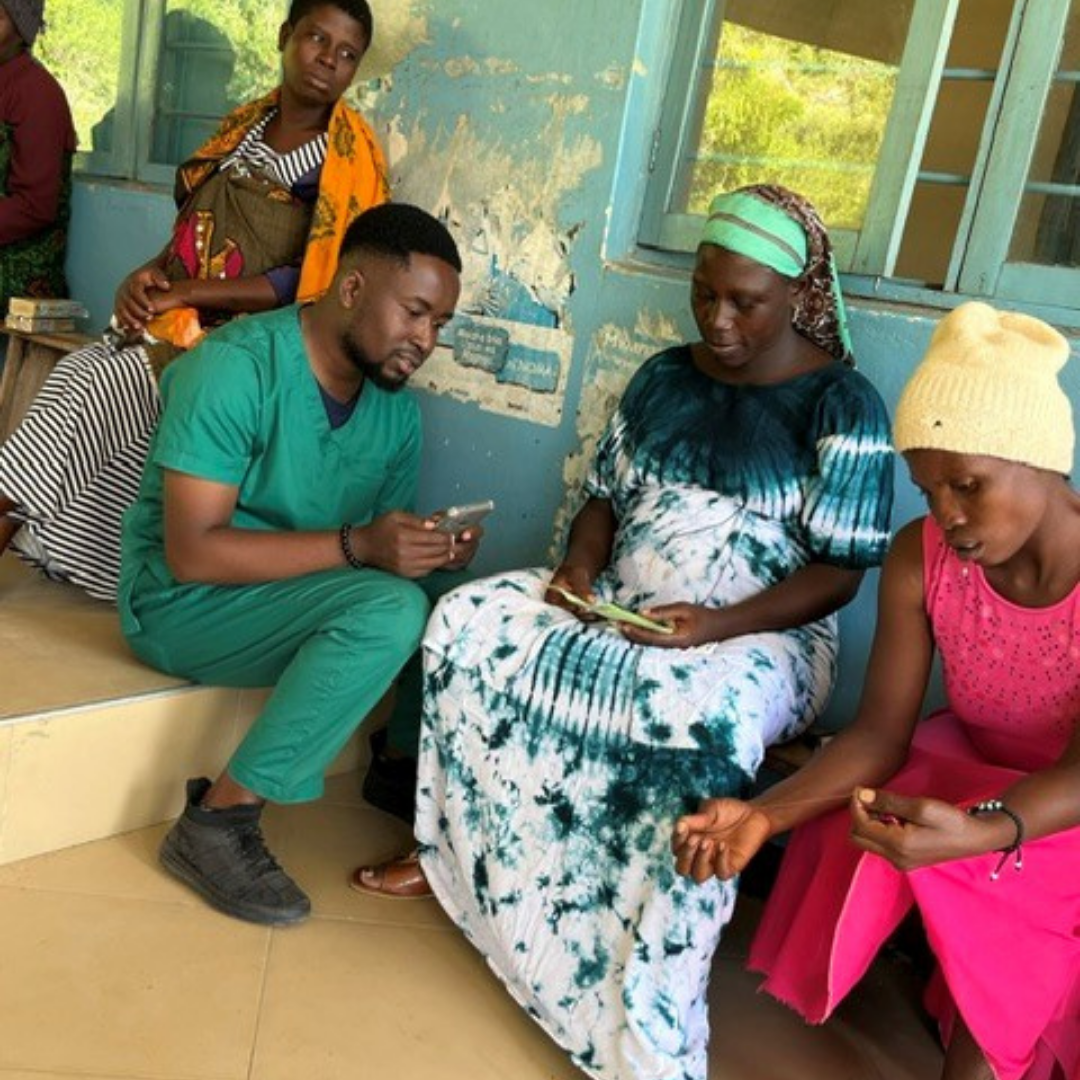
Through community-based midwifery and home visits, SMILE ensures that care doesn’t start late or stop at the clinic door. It reaches women earlier, supports them consistently, and strengthens decision-making at the household level.

It represents a shift from reactive care to proactive, continuous support – grounded in what communities themselves have told us works.

But access alone is not enough

Even when a mother reaches care – for example at Kamanga Health Centre – that care must be reliable.

Lighting. Equipment. Safe delivery conditions.

In many parts of rural Tanzania, power outages can last days. For a maternity ward, that’s not an inconvenience. It’s a serious risk.


Powering safe, uninterrupted care

This is why our next step matters.

Through Rising for Mothers – our 2026 Kilimanjaro climb, we are raising funds to install solar power for the new maternity ward.

This is what ensures that:

  • A delivery can happen safely at any hour

  • Essential equipment functions without interruption

  • Mothers and newborns receive consistent, high-quality care

It is the infrastructure that makes everything else work.

 Your role in this

When you support this campaign, you are not contributing to a single moment of care.

You are strengthening an entire system:

  • Earlier engagement through SMILE

  • Safer deliveries at health facilities

  • Reliable, uninterrupted care powered by solar

This is what sustainable, community-led healthcare looks like.

Take the next step

Every contribution moves this work forward.

Together, we are not just increasing access.
We are ensuring that care is timely, trusted, and consistently safe.

With gratitude,

Nina and the Cedar Team
While Some Grow Up Online, Others Are Still Waiting for Access

NDOTO means dream in Swahili. And youths with big dreams are what are going to lead our world forward.

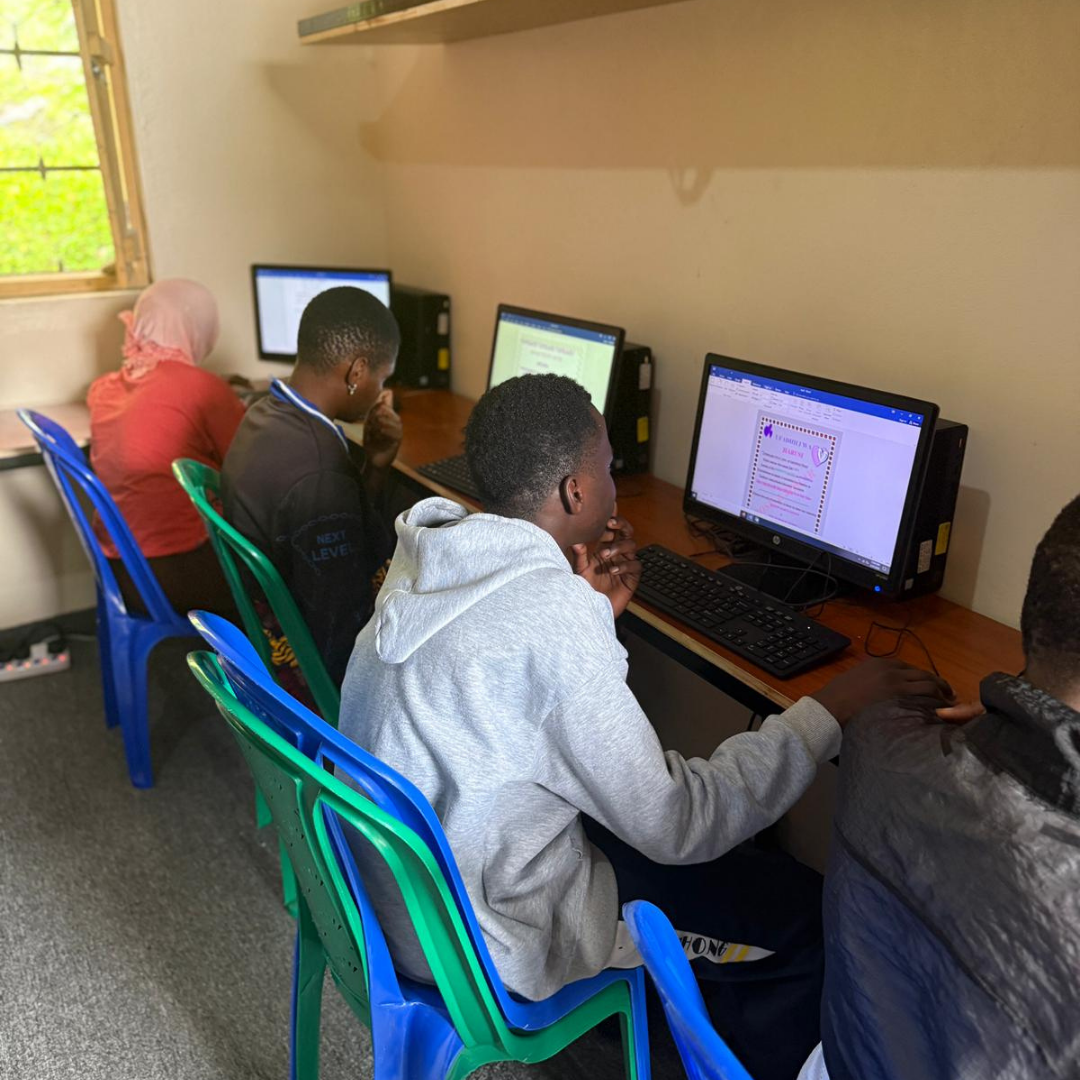
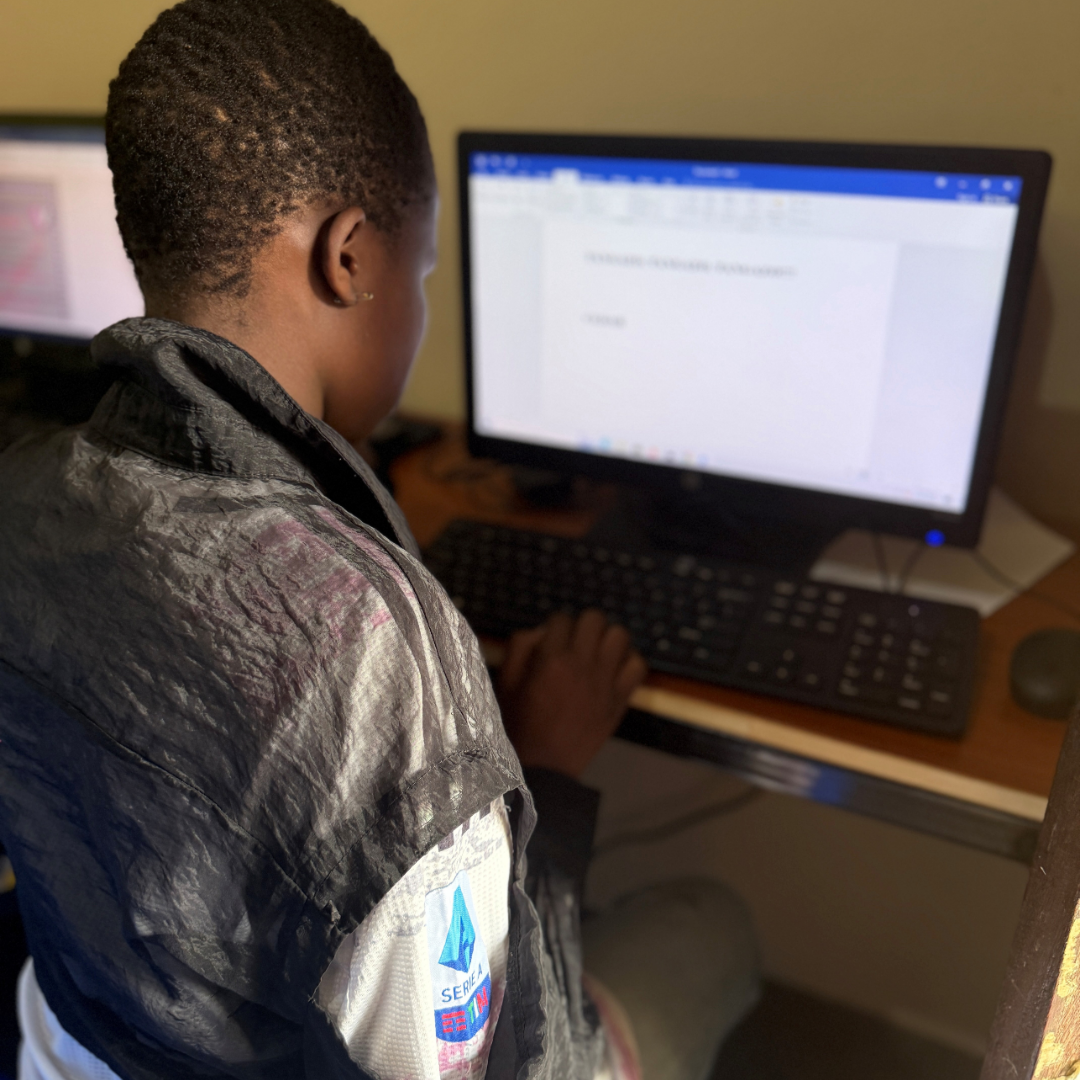
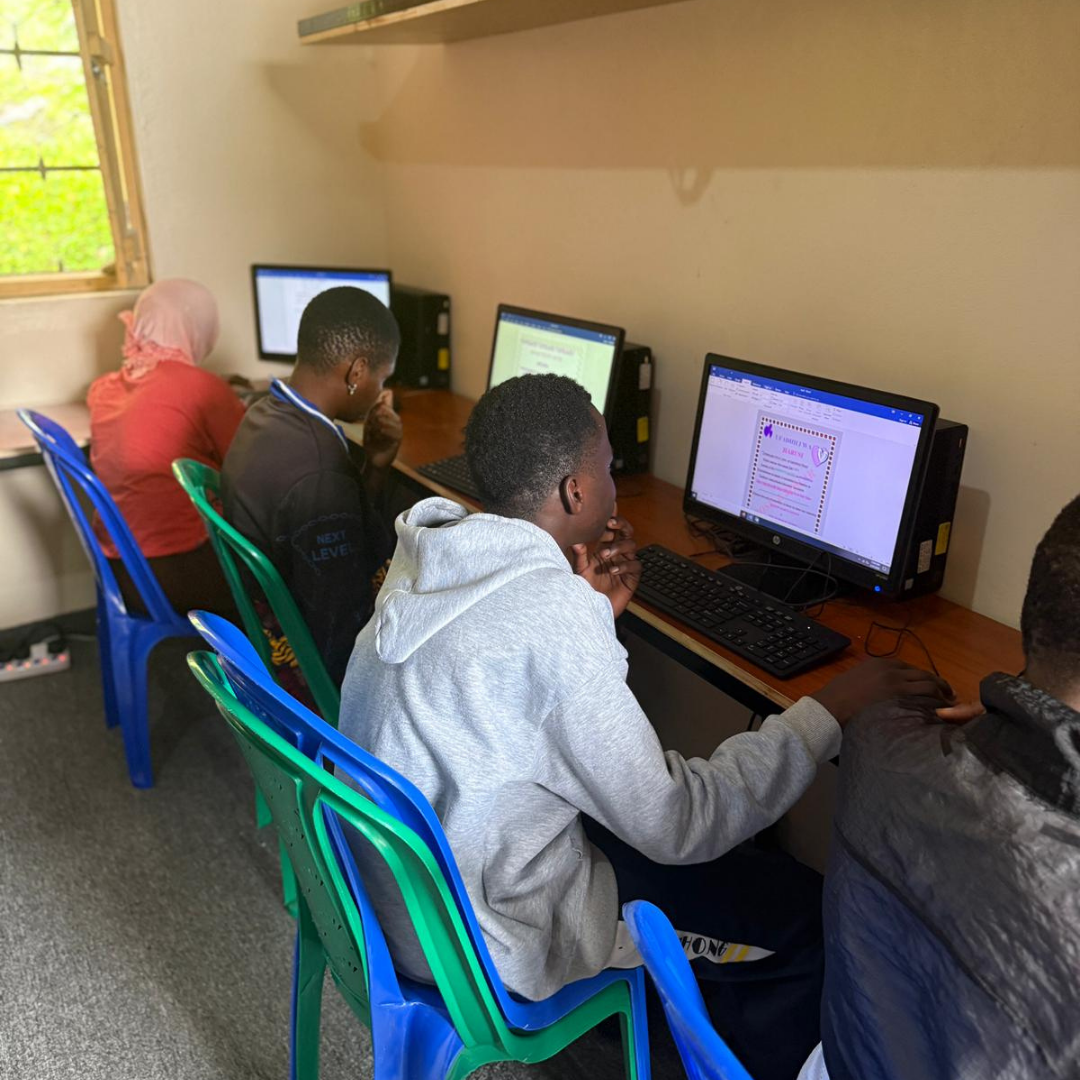
Right now, 20 young people are enrolled in NDOTO, our digital literacy programme that provides access to something most have never had: a computer. Through this program, we can facilitate the first steps of dreams becoming a reality.

With 10 computers and a 3-month enrolment cycle, students are learning the foundations of digital skills — typing, navigating systems, and building confidence in a world that is increasingly shaped by technology.

For many, this is their very first interaction with a screen.

Because in a community where most homes do not have electricity, where daily life is grounded in manual work and limited infrastructure, access to digital tools is a shift in trajectory. It is not just another skill.

NDOTO is about access, exposure and possibility

Those are just the direct benefits. But there are some very significant indirect benefits as well:

Village leaders have shared something important:
since the programme began, they are seeing fewer young people getting into trouble.

Local youth are experiencing more structure, more purpose and more direction.

Young people who might otherwise be left without opportunity are now showing up, learning, and building something for themselves.

This is what community-led development looks like in practice: creating environments where opportunity replaces limitation.

The Opportunity Ahead

The demand is already there.

We currently have more young people ready to enrol than we can accommodate.

With additional computers and support, NDOTO can expand immediately, increasing intake, extending reach, and deepening impact.

It costs USD $10,000 to run NDOTO for one full year.

This will provide:
• Access to digital literacy for more youth
• Strengthen structured, skills-based engagement in the community
• Create long-term pathways toward education and employment

This is not a short-term intervention. It is a foundation for skills, for confidence, and for future opportunity.

Do you want to ensure NDOTO can continue for the full year?

With gratitude,

Nina and the Cedar Team
Travel To Tanzania : Progress and Partnerships

Over the past two and a half weeks, I have been on the ground in Tanzania working closely with our team and community partners. These visits are always invaluable. They allow us to assess progress face to face, strengthen partnerships, and plan the next phase of our work.

Projects are advancing, new partnerships are forming, and the impact across health, education, and livelihoods continues to grow.

Here is a snapshot of what is currently unfolding.

The New Maternity Ward Is Almost Ready

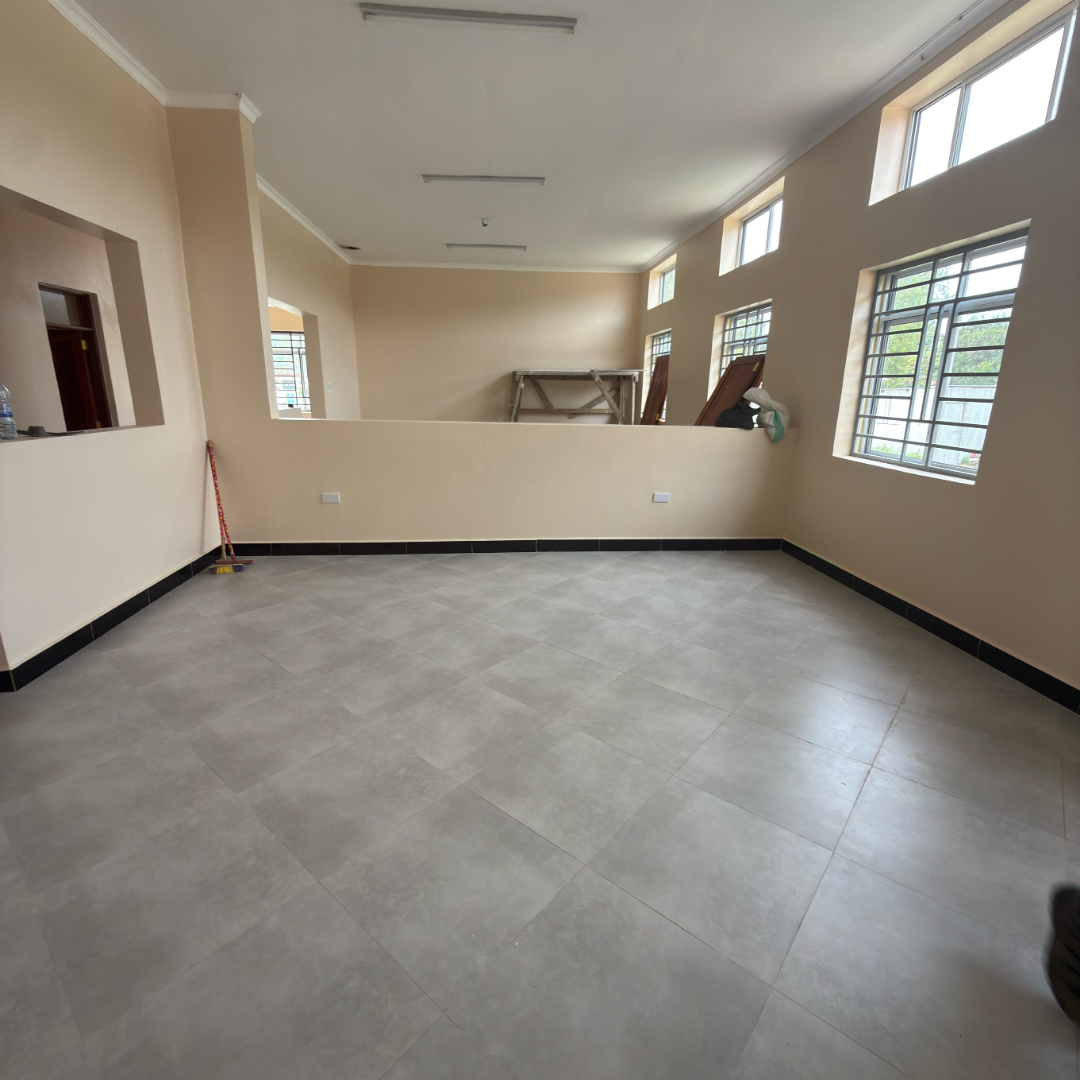
One of the biggest milestones of this visit was inspecting the new maternity ward at Kamanga Health Centre, which is now nearly complete. Only the final stage of tiling remains.

Within the next month or two, the building will be ready to open.

This new facility will significantly expand our maternal care capacity and allow our medical team to provide safer, more dignified care for mothers and newborns across the region. 

The expansion is critical in a country where 11,000 mothers die every year during childbirth, often due to preventable causes and limited access to quality care.

The next step is equipping the ward.

We are currently seeking decommissioned but functional hospital equipment, including:

• Hospital beds
• Patient monitors
• Drip stands and related equipment

If you work in the healthcare sector or know a hospital upgrading its equipment, we would welcome a conversation about giving these items a second life in rural Tanzania.

Strengthening Our Existing Hospital

Alongside the new building, we are undertaking significant renovations to the older hospital wing.

Walls damaged during previous flooding are being repaired and repainted inside and out, ensuring the facility remains safe, functional, and welcoming for patients.

Last year we also completed a major flood mitigation effort by constructing a protective barrier wall to Lake Victoria, which now safeguards the hospital from future flooding events. With this in place, the facility is far better protected as climate patterns continue to shift.

SMILE Project: Research Phase Completed

The SMILE Project (Sustainable Maternal and Infant Lifesaving Endeavours) was officially launched this month, supported by 100 Women.

During my visit, I joined the field team for one day of the baseline survey, which was conducted across the ward over six days. The study is targeting 600 mothers and will guide the design and implementation of our maternal outreach services.

Even these early stages are already revealing important insights.

For example, we are seeing clear evidence of:
• High rates of anaemia among pregnant women 
• Folate deficiency during pregnancy
• Missed antenatal care visits

These findings reinforce the need for community-based maternal care and education, which the SMILE project will address through home visits, health education, and early detection of complications.

During the survey process, the team also identified several children eligible for our outreach disability services, ensuring they can receive the support and rehabilitation they need.

The full report will be available shortly and will guide the next phase of this work.

Digital Literacy: NDOTO Programme Expanding

At the Community Centre, our NDOTO digital literacy programme is now running with 10 computers, teaching 20 students at a time in a three-month course.

Participants learn practical digital skills including:

• Microsoft Word
• Excel
• PowerPoint
• Internet access and digital communication

These skills are increasingly essential for employment and education, particularly for young people in rural communities where access to technology has historically been limited.

We are still actively looking for additional donated laptops or desktop computers to expand the programme further.

POWER Programme: Skills Turning Into Opportunity

The POWER programme continues to evolve as participants build practical skills for income generation.

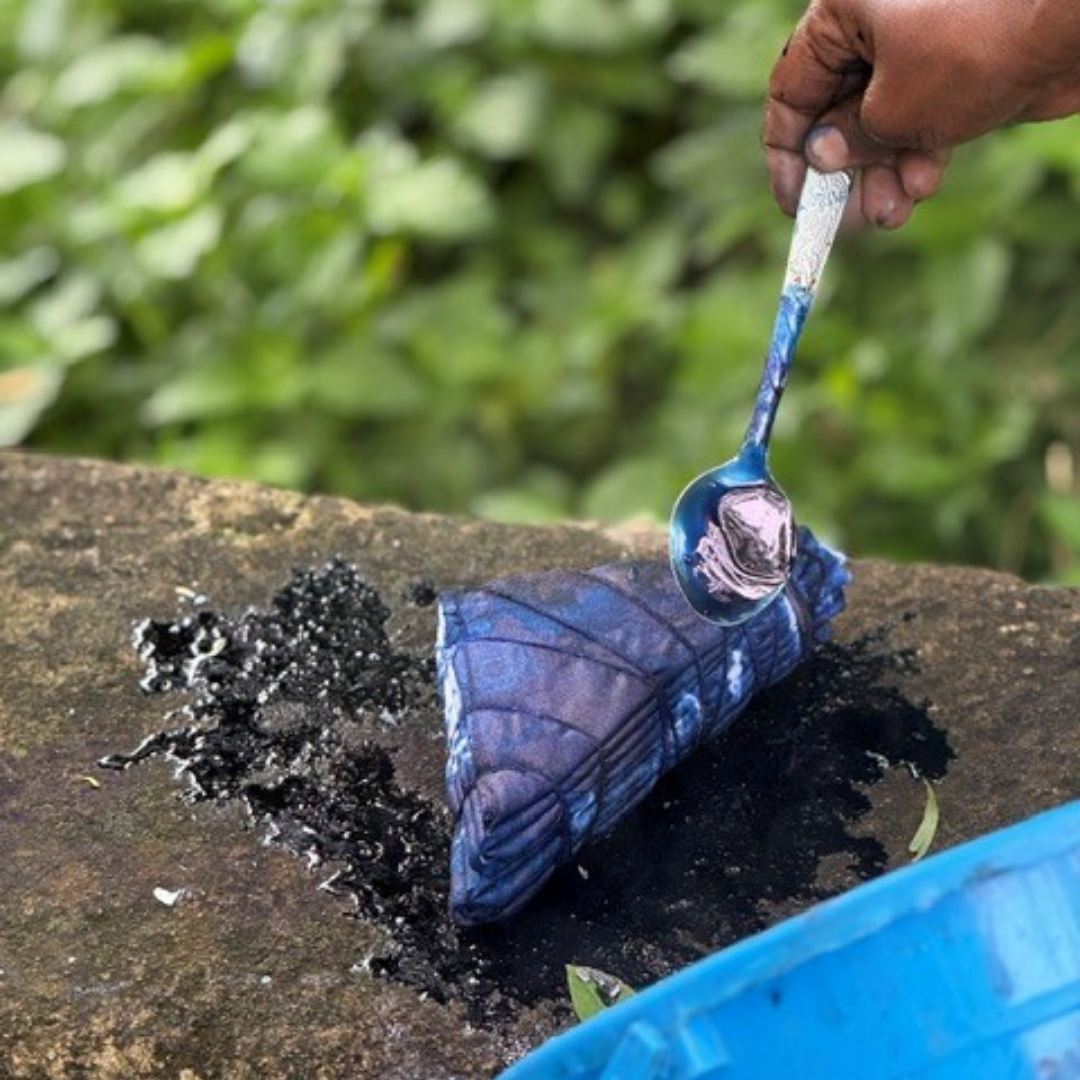
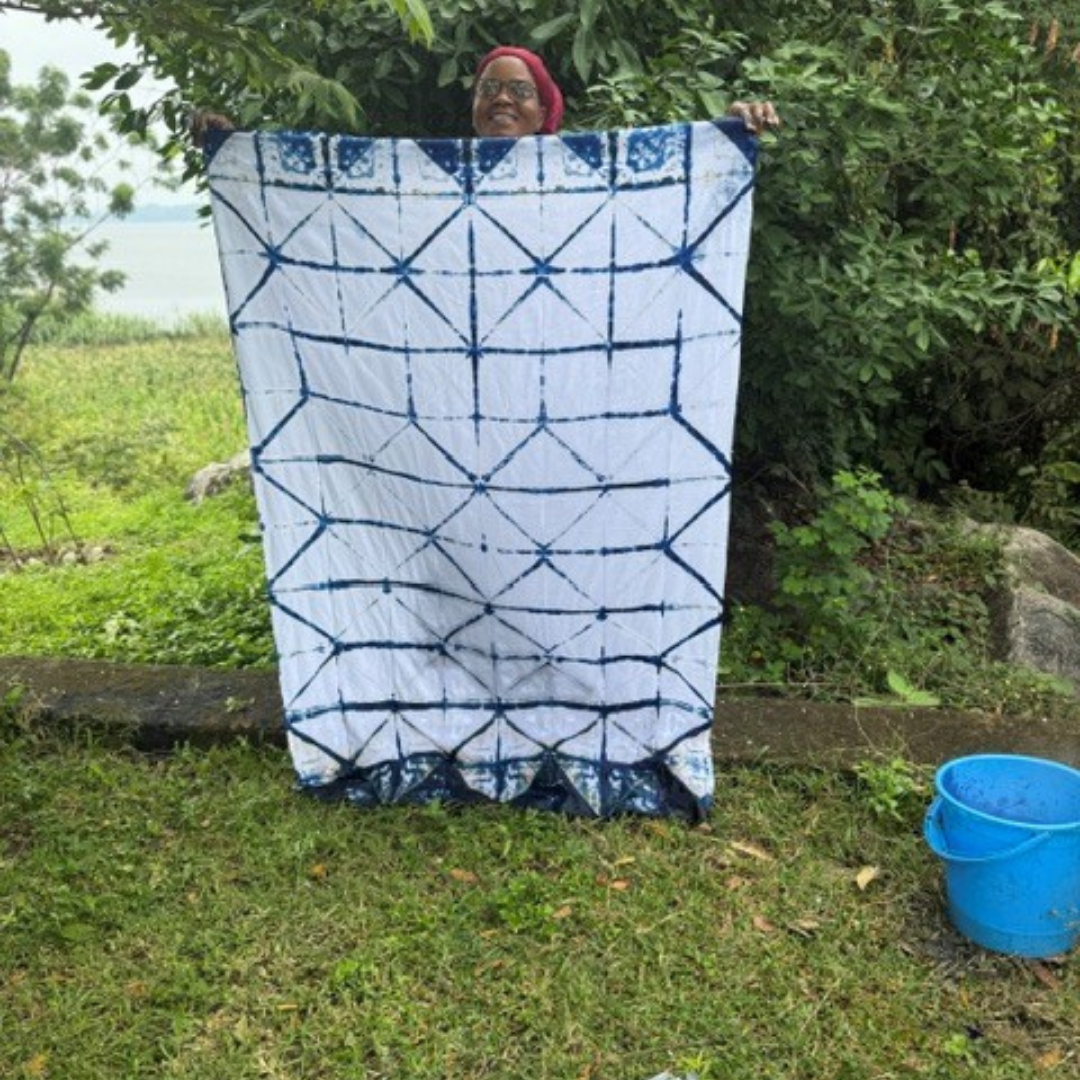
During this visit I saw participants developing new skills in tie-dye and batik textile production. These products will be sold locally and in Mwanza, the nearest major city, creating new income streams for the women involved.

New Partnership: POWER Perseus

We also took an important step forward with the POWER Perseus project, developed in partnership with the Perseus mining operation.

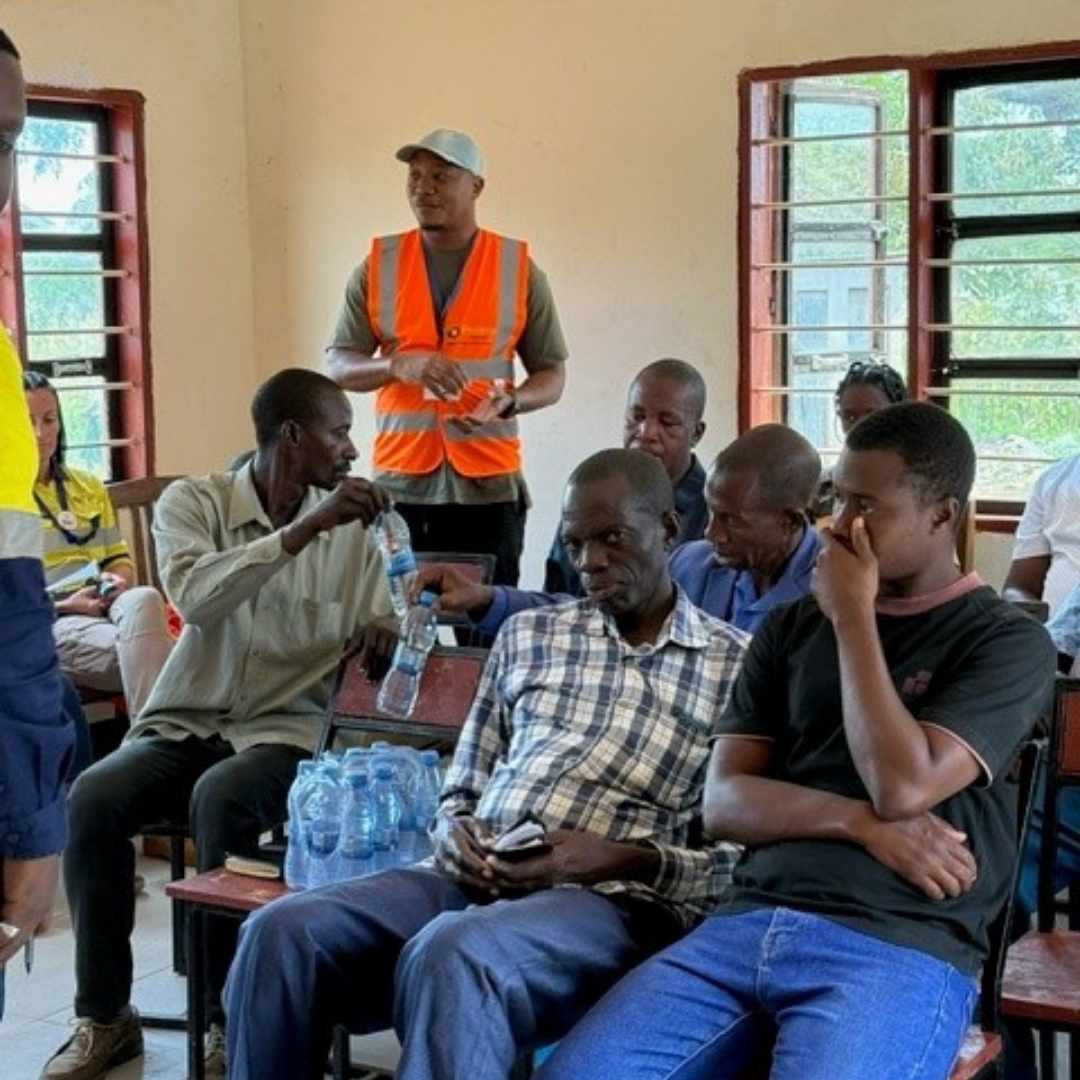
During the visit we travelled to the mine site and met with village representatives and ward councillors to formally introduce ourselves and begin the project engagement process.

This initiative will focus on tailoring and vocational training, starting with foundational sewing skills and eventually progressing toward the production of personal protective equipment (PPE) for the mine itself.

It is an excellent example of how private sector partnerships can create locally anchored economic opportunities while supporting responsible operations in the regions where companies work.

Strategic Planning and Governance

Beyond project visits, the trip also included several important organisational milestones.

Our board meeting was held during the visit, alongside strategic planning sessions to set priorities for the next six months. We are also currently working on our annual report and budget reviews to ensure continued transparency and strong governance.

These internal processes are essential to maintaining the accountability and strategic direction that underpin our work.

Growing Recognition and Partnerships

The visit also included several important external engagements.

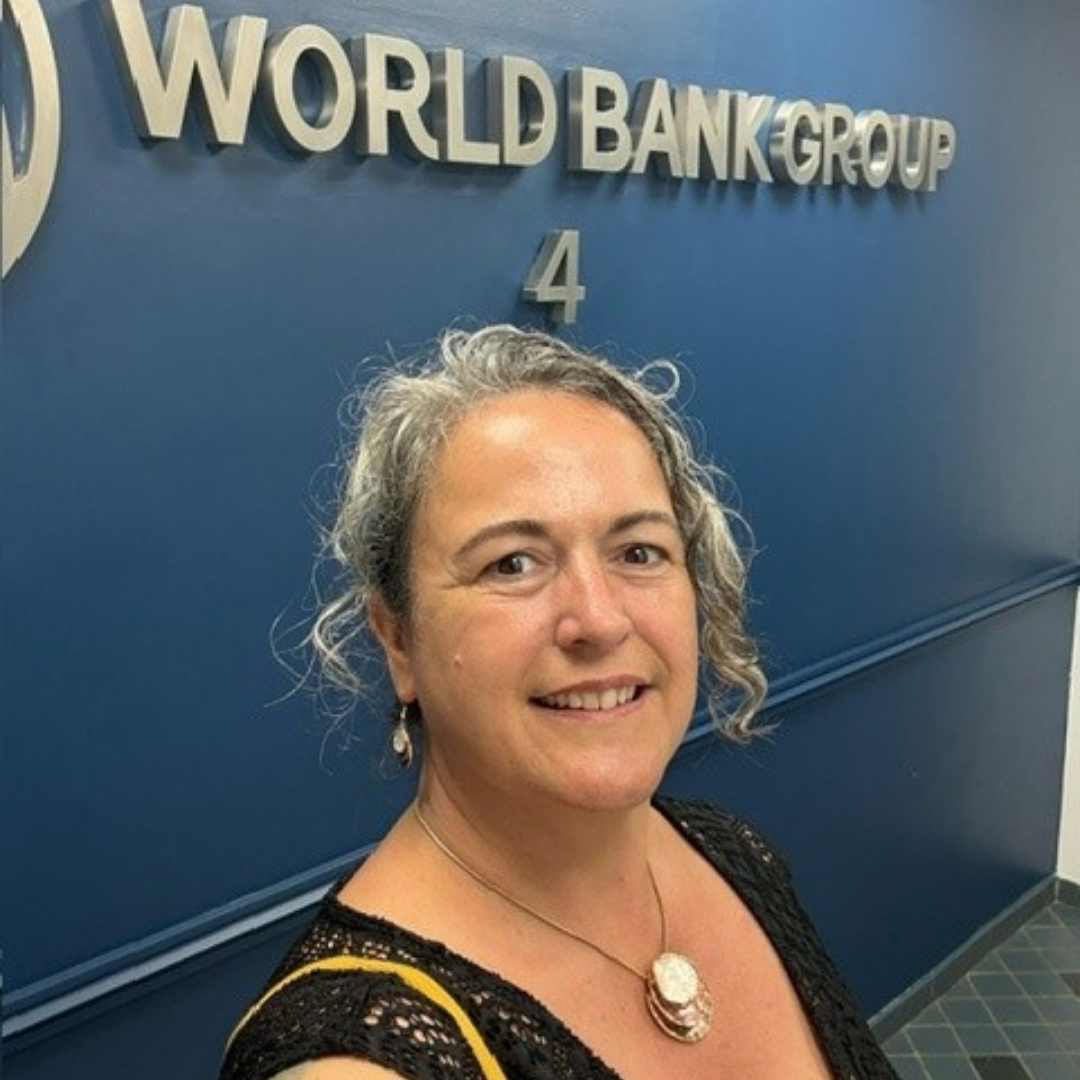
We received an invitation to participate in a World Bank consultation on Mining Sector Diagnostics, bringing together government, industry, and civil society to discuss the intersection of mining and community development.

I attended the consultation representing Australia for Cedar Tanzania, contributing insights from our experience working in mining regions.

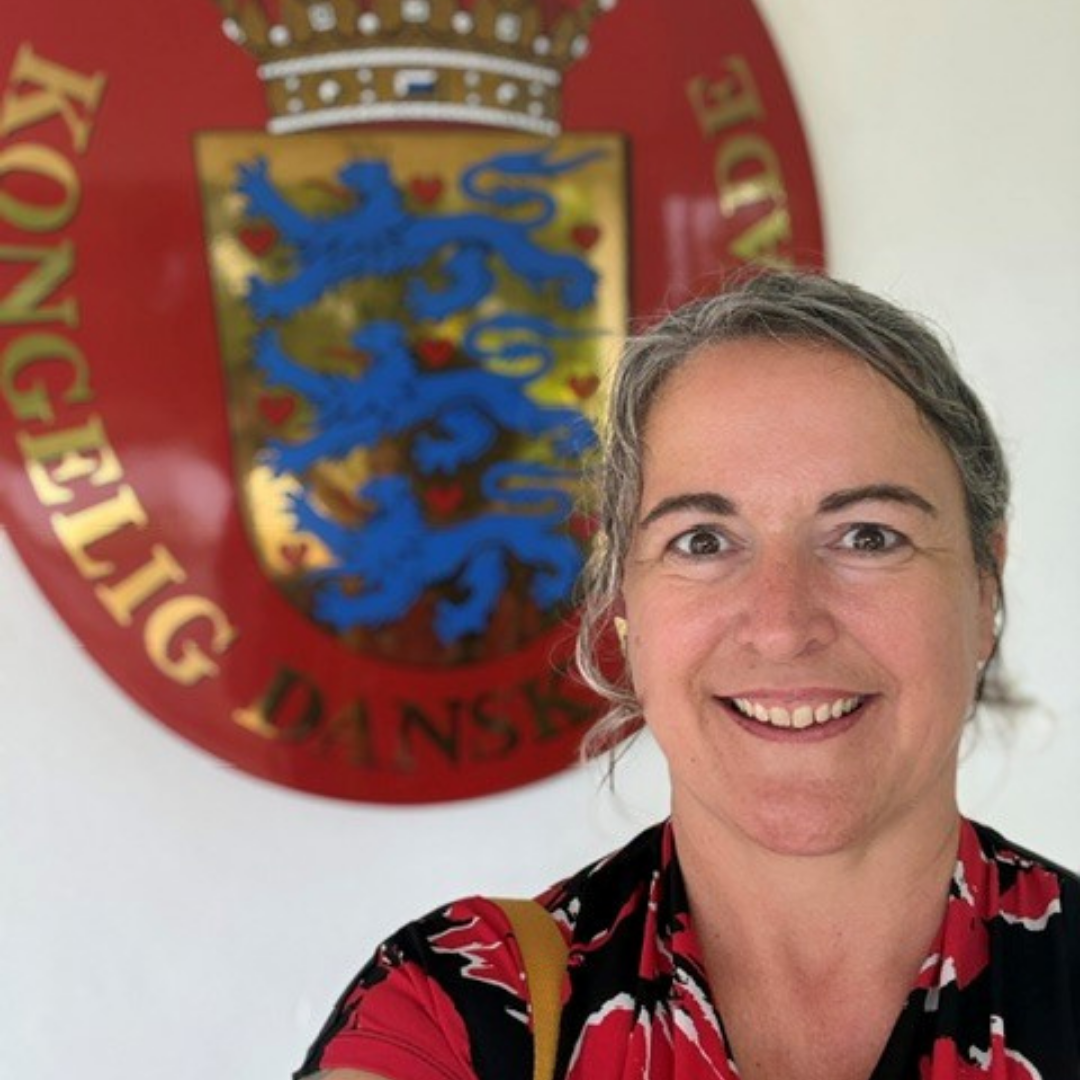
In addition, I visited the Danish Ambassador to Tanzania, creating an opportunity to discuss the broader role of partnerships in supporting sustainable development initiatives in rural communities.

Looking Ahead: Rising for Mothers

Planning also continued for our 2026 Kilimanjaro fundraising challenge:

Rising for Mothers – The Kilimanjaro Maternity Climb.

This expedition will raise funds to install solar power for the new maternity ward, ensuring uninterrupted electricity for lighting, medical equipment, and safe deliveries.

There is still room for additional climbers, so if you have ever dreamed of standing on the roof of Africa while supporting maternal healthcare, this may be your moment.

Moving Forward Together

Every visit to Tanzania reinforces why this work matters.

Behind every project, survey, training programme, and hospital ward are thousands of people working together to create stronger, healthier communities.

Thank you to everyone who continues to support this journey.

Together, we are building systems that last.

With gratitude,

Nina and the Cedar Team
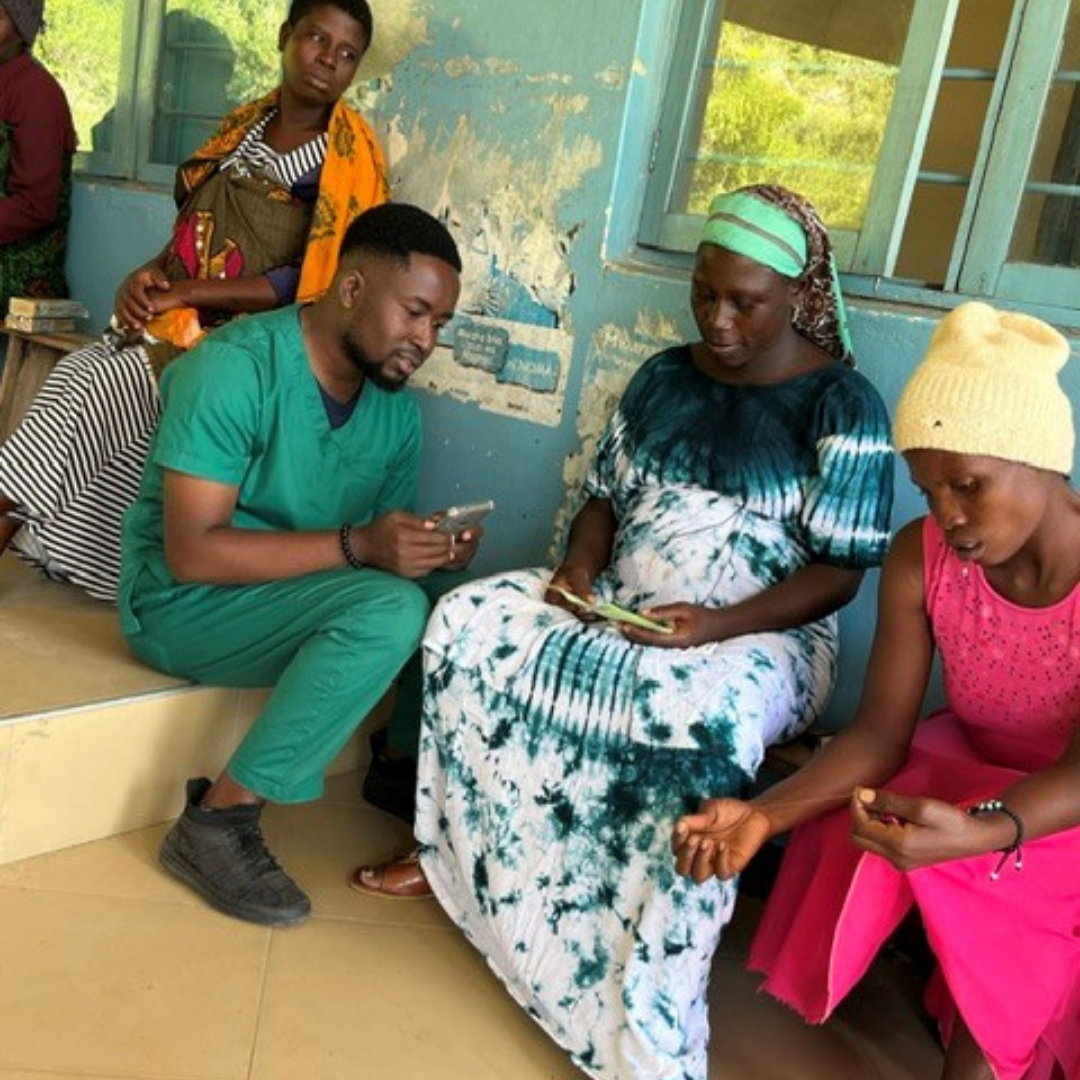
What Comes Next Starts Now

This year marks a moment of momentum for Australia for Cedar Tanzania.

Across healthcare, enterprise, and partnerships, our focus is clear: expanding access to quality care, strengthening local systems, and delivering infrastructure and services shaped by the communities we serve in rural north-western Tanzania. Some of this work has been years in the making. Some of it is unfolding right now. All of it is grounded in long-term, community-led change.

Here is what comes next.

A new maternity ward, opening February 2026

In February 2026, the new maternity ward at Kamanga Health Centre will open its doors, expanding access to safe, dignified maternal care for the surrounding region.

Kamanga Health Centre provides accessible, government-integrated primary healthcare and maternal services to rural communities in north-western Tanzania. Demand for services has continued to grow, and the new maternity ward will significantly increase capacity, improve privacy, and strengthen care for mothers and newborns.

Importantly, staffing for the maternity ward will be predominantly provided through government allocations, reflecting our long-standing partnership with local government and the integration of the health centre into the public health system.

As we prepare for opening, we are actively seeking donated medical equipment from Australia for the new maternity ward. If you work in healthcare, procurement, logistics, or know of hospitals or suppliers upgrading equipment, we would love to hear from you.
👉 If you have any leads or contacts, please get in touch.

We also continue to offer medical volunteer opportunities, particularly for skilled professionals interested in contributing their expertise in a community-led health setting.
👉 Contact us if this may be of interest.

SMILE: community-based maternal care, launching now

Alongside the new maternity infrastructure, SMILE (Sustainable Maternal and Infant Lifesaving Endeavours) is being launched right now.

SMILE delivers community-based visiting midwifery services, ensuring women receive critical postnatal care in their homes during the most vulnerable period after birth. This week, we have commenced the hiring process for a dedicated SMILE midwife, made possible through the support of 100 Women.

This role strengthens continuity of care beyond the health centre and reflects a shift toward preventative, relationship-based maternal healthcare that meets women where they are.

Strong foundations, sustained impact

While new initiatives are launching, our established programs continue to deliver consistent impact across the communities we serve. Together, they form the backbone of our work.

  • Outreach Health Services deliver mobile healthcare, rehabilitation, and disability support to people who cannot access facility-based care.

  • NDOTO supports youth through targeted social support and access to IT literacy training.

  • POWER empowers women through income-generating activities, skills development, and pathways to financial independence.

  • Self-Help Groups (SHG) strengthen community resilience through savings, peer support, and locally driven economic collaboration.

  • Our partnership with Crossborder expands access to specialised healthcare services through ongoing collaboration with US-based medical team.

Sustainable change depends on continuity, trust, and long-term presence – and these programs remain central to everything we do.

Building skills, strengthening systems

This year also marks the beginning of our partnership with Perseus, focused on expanding vocational training through tailoring.

Preparatory work is underway, with the first intake planned for March. By the end of the year, the program aims to be capable of locally producing PPE, strengthening livelihoods while contributing to resilient local supply chains.

In parallel, landscaping and maintenance works at Kamanga Health Centre will commence this year, improving the environment for patients, staff, and visitors alike.

September: Kilimanjaro for sustainable power

In September, a group of staff, supporters, and partners – including Nina and Grant – will travel to Tanzania to climb Mount Kilimanjaro alongside local team members.

This climb is a fundraiser to expand solar power capacity at Kamanga Health Centre, ensuring the new maternity ward is supported by reliable, sustainable energy.

👉 If you would like to climb with us, or be part of this initiative in another way, please contact us.

Partnerships, funding, and what lies ahead

Throughout the year, we will continue to apply for grants and build new private sector partnerships – both for our current programs and for projects that are ready to launch pending funding, as outlined in our Product Catalogue. (link to product catalogue)

A major focus ahead is securing funding to construct an operating theatre in the second half of 2026. This would significantly strengthen our ability to manage complicated births and medical emergencies locally, reducing delays and improving outcomes.

👉 If your organisation is exploring meaningful, values-aligned partnerships, we would welcome the conversation.

Moving forward, together

What comes next is already underway.

From Australia to Tanzania, from planning to delivery, this year is about momentum, partnership, and building systems that last. Thank you for being part of this journey with us.

With Gratitude,

Nina and the Cedar Team