

Climate-Resilient Farming For Food Security And Economic Growth
Agri-business and food security
Climate-resilient agriculture is essential to strengthening food security, improving nutrition, and creating sustainable income opportunities across rural Tanzania.
Changing rainfall patterns, declining soil quality, and increasing environmental pressures continue to impact traditional farming methods and household stability. Building resilience requires practical solutions that are locally accessible, economically sustainable, and adaptable to changing conditions.
MUSHROOM FARMING
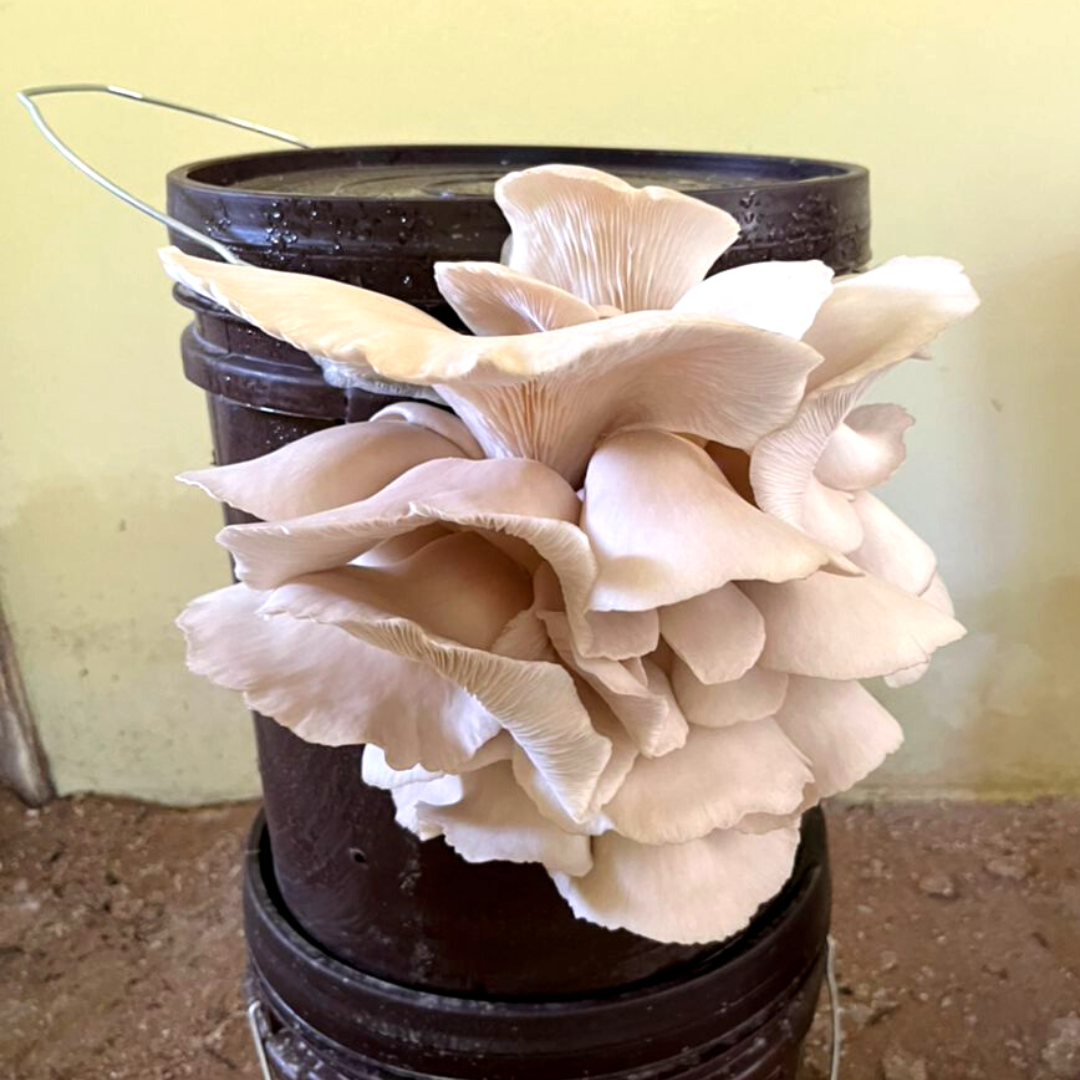
Mushroom farming is a practical and scalable agricultural model designed to improve both household income and nutritional outcomes within rural communities.
Supported by international experts and local implementation teams, the project introduces mushroom cultivation as a new agricultural opportunity within the Nyamatongo area.
The project combines climate-smart agriculture with entrepreneurship, nutrition, and sustainable income generation.
Training delivered through the project includes:
Mushroom cultivation and production cycles
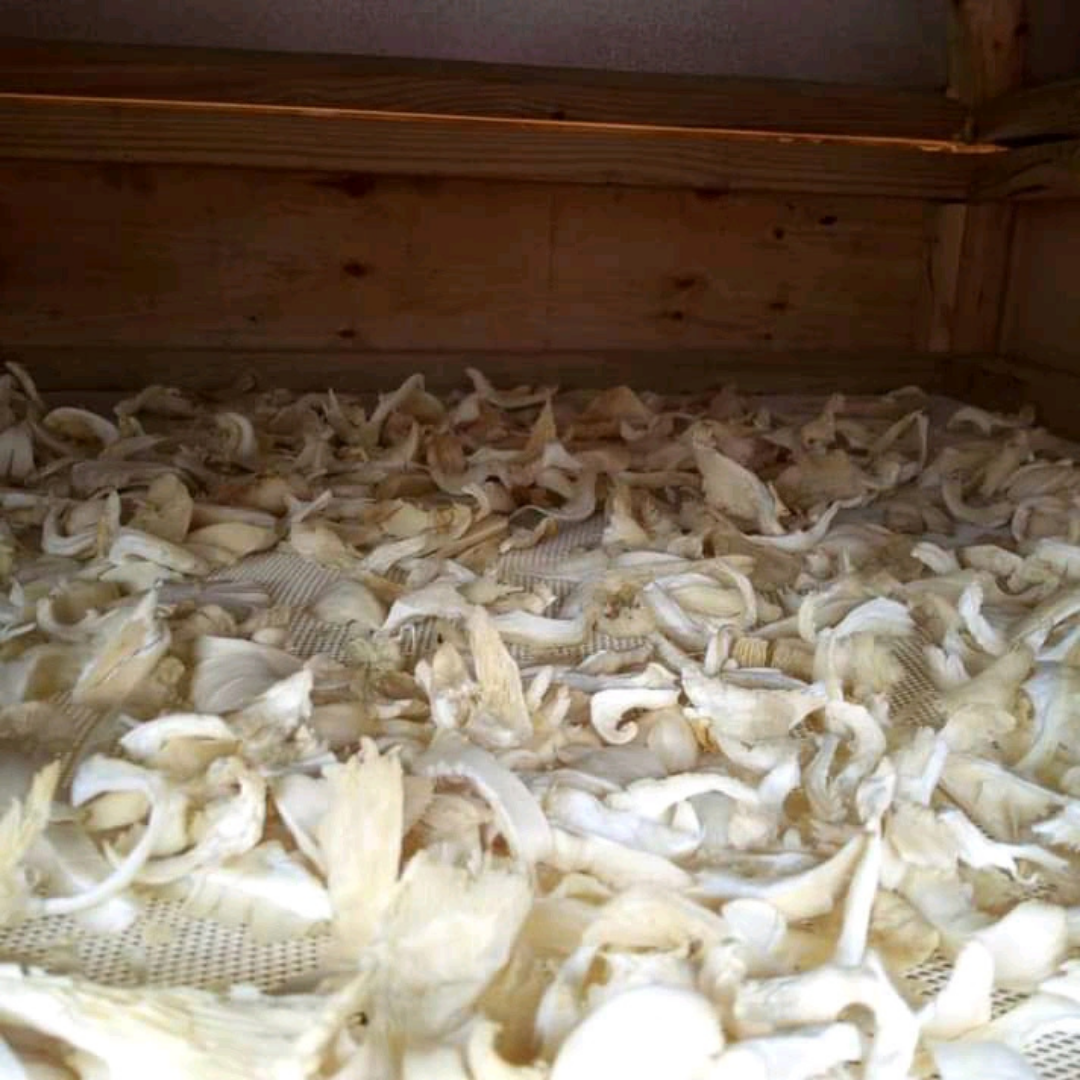
Drying and value-addition techniques
Small business management and entrepreneurship
Mobile banking and financial literacy
Nutrition and food security education
Collaborative farming models and market access
The project focuses particularly on women and people living with disabilities, creating opportunities for groups often excluded from traditional agricultural systems.

WHY MUSHROOM FARMING
Mushroom farming offers several advantages in regions heavily affected by climate variability and poverty.
Unlike many traditional crops, mushrooms:
Can be grown indoors with minimal land requirements
Require significantly less water than conventional crops
Are not dependent on seasonal rainfall
Can be cultivated year-round
Produce relatively quick harvest cycles
Require lower cooking times, reducing firewood consumption
Provide strong nutritional value through protein, vitamins, and minerals
This makes mushroom farming particularly suitable for households with limited access to land, physical labour capacity, or stable agricultural conditions.
The project combines agricultural training with business development to support long-term income generation and local economic participation.
WOMEN, NUTRITION, AND ECONOMIC RESILIENCE
Women in rural Tanzania often face significant barriers to financial independence, land ownership, and formal employment opportunities.
Creating accessible pathways into sustainable agribusiness has a direct impact on household wellbeing, children’s education, nutrition, and long-term community resilience.
When women gain access to practical skills, income opportunities, and business knowledge, the benefits extend beyond the individual household and contribute to broader community development.
The project also addresses nutritional challenges within the community by introducing a highly nutritious crop that can be produced locally and consistently throughout the year.
Invest in Sustainable Food Security
Climate-smart agriculture creates more than food production. It strengthens nutrition, economic resilience, environmental sustainability, and long-term community wellbeing.
If you, or your company, would like to know more about how you can partner with us on any of these projects, send us an email by clicking the button below:
Please contact us for more information: