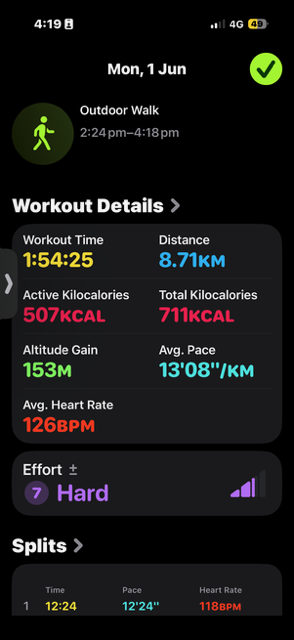
Yesterday, my husband and I completed one of our first training hikes for our Mount Kilimanjaro fundraising challenge in support of maternal healthcare in rural Tanzania.
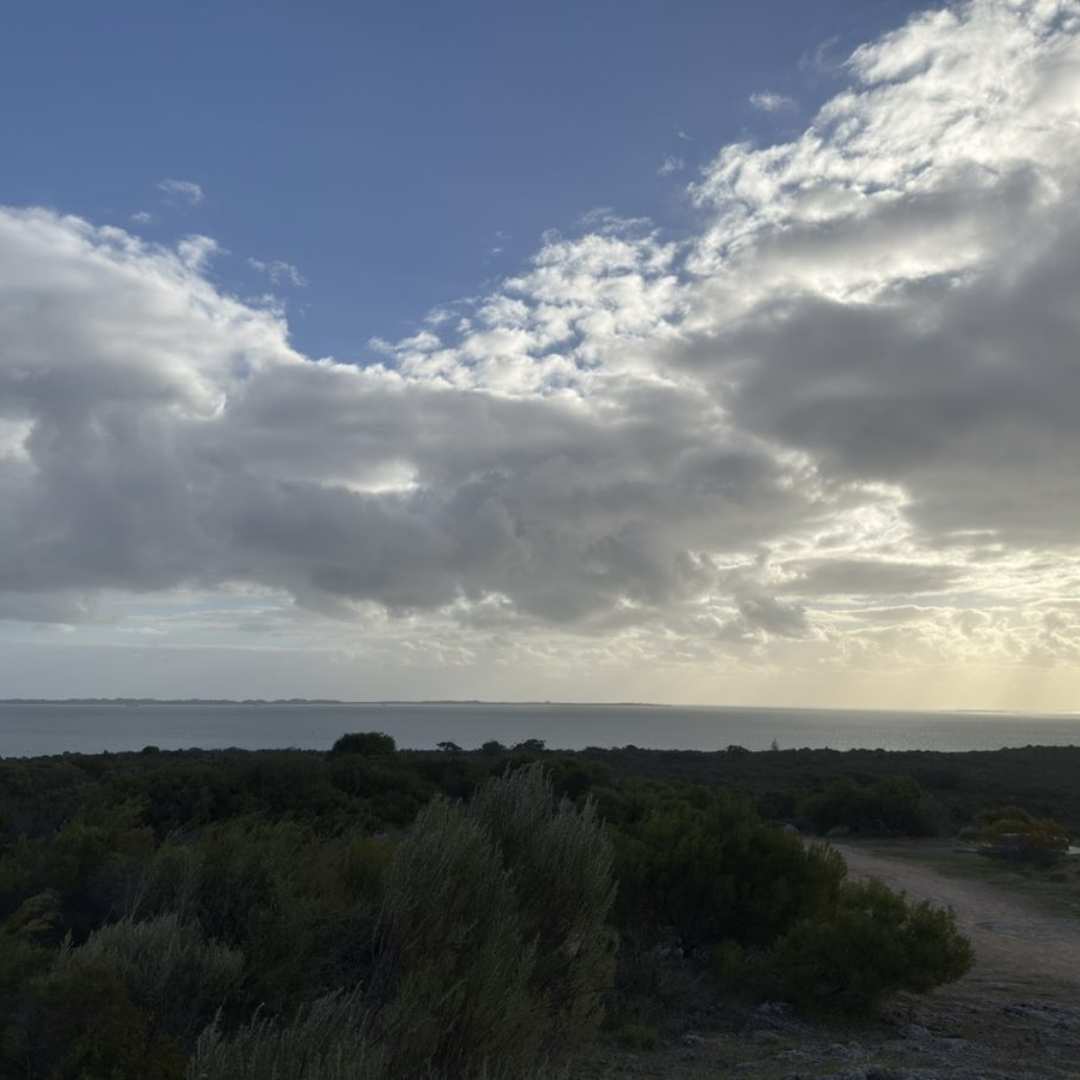
At 8.7 kilometres on foot, nearly two hours of walking, and 153 metres of elevation gain, Mount Brown is not exactly Mount Kilimanjaro.
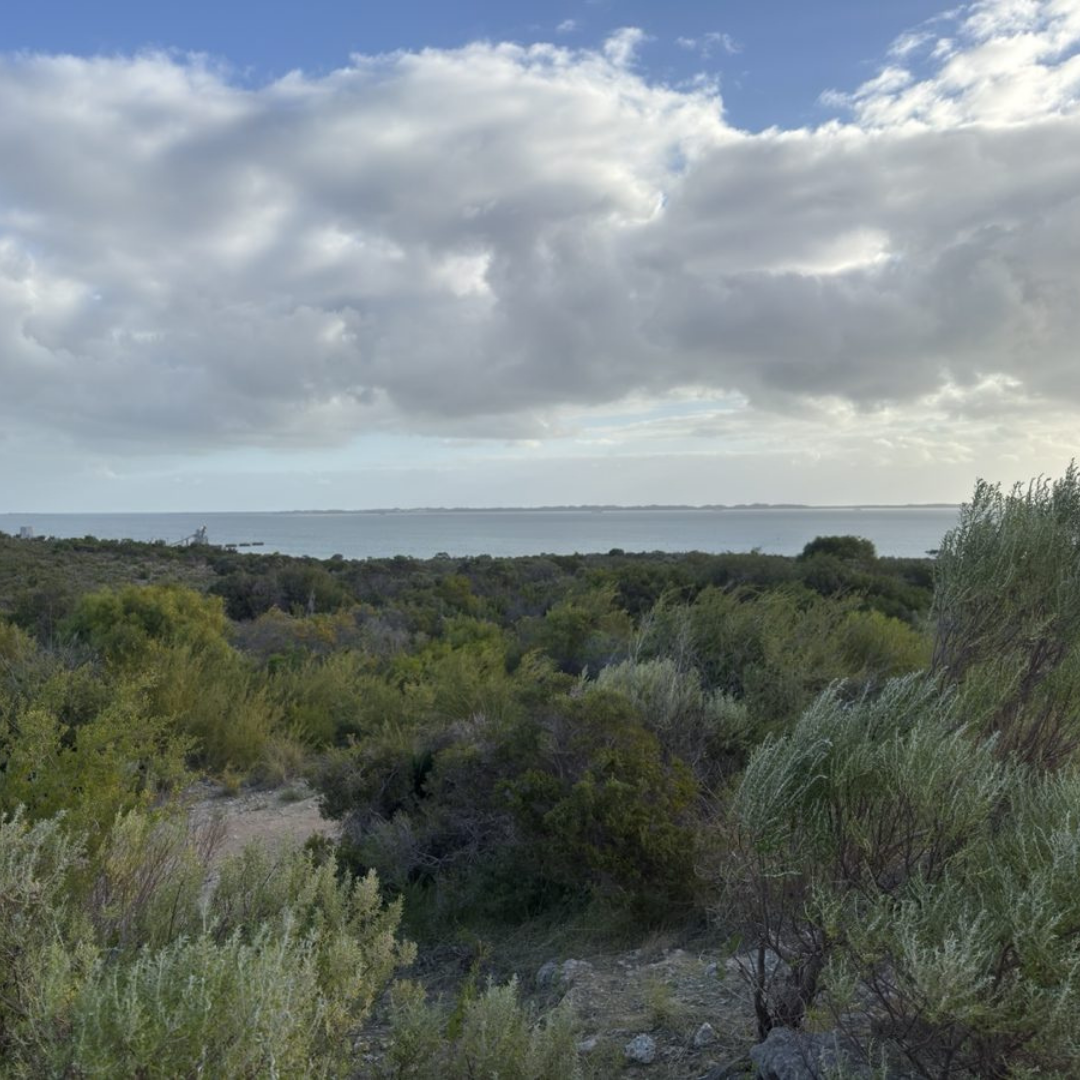
Standing at the lookout, looking across the coastline, one thing became very clear: Kilimanjaro is not going to be easy!
But every meaningful journey starts with a first step.
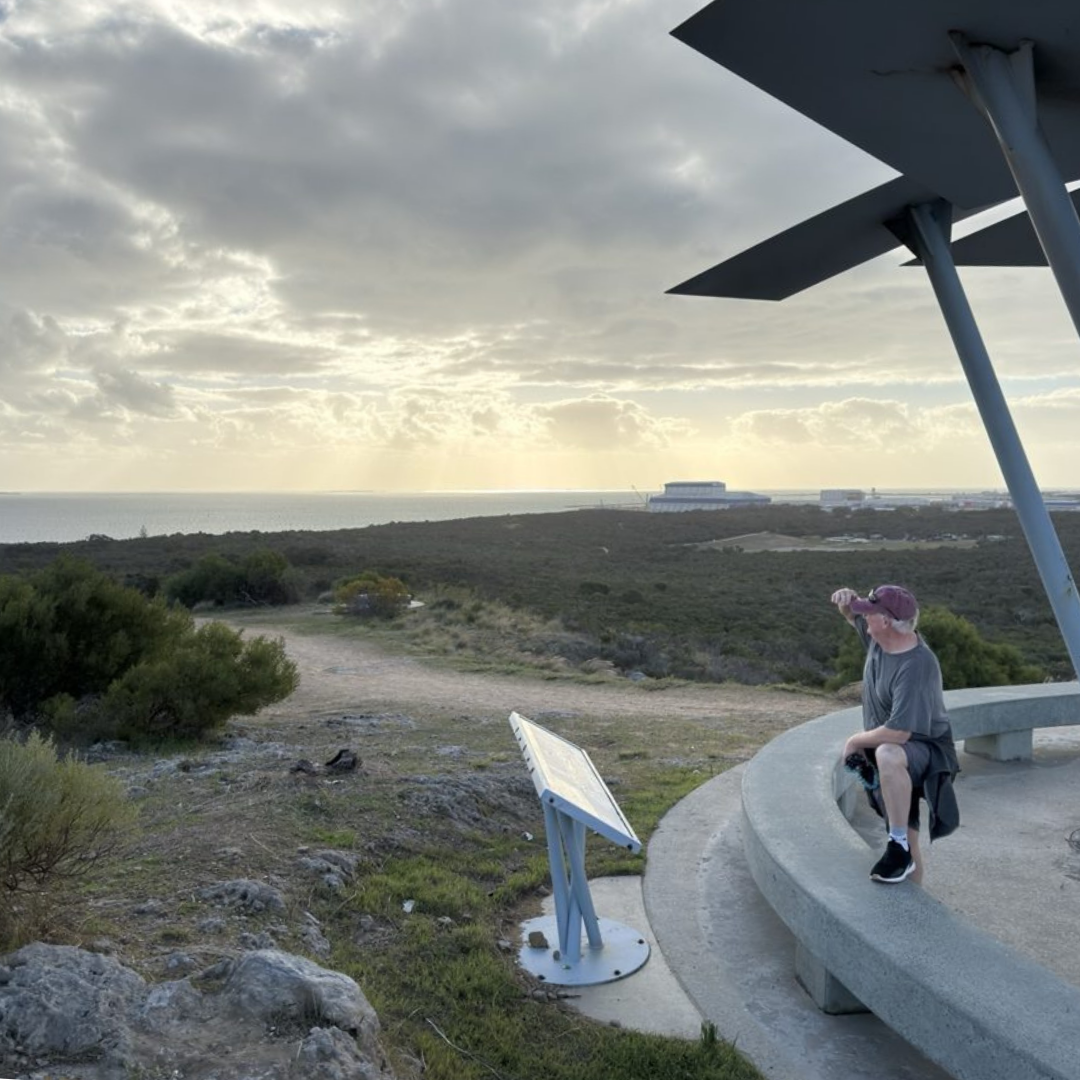
For us, this journey started long before we laced up our hiking boots.
Last year, we got married. Like many newlyweds, we talked about how we wanted to spend our honeymoon. Most people choose something romantic with beaches, cocktails, and couples' massages. We decided to do something a little crazy.
In September 2026, we will travel to Tanzania. Before heading to Mount Kilimanjaro, we will spend two weeks in Kamanga and Mwanza. For my husband, it will be his first time meeting what I often call my "other family" - the incredible team in Tanzania that I have worked alongside for more than a decade. He has heard countless stories about Tanzania over the years and has spent many days helping collect medical equipment for our projects, but this will be his first opportunity to experience the work firsthand.
Then we will begin the climb. But this campaign is not really about a mountain. It is about power.
The new maternity ward at Kamanga Health Centre is in the final stages of construction. Once completed, it will significantly increase our capacity to care for mothers and newborns in rural Tanzania.
However, buildings alone do not save lives. Reliable power does.
In many parts of Tanzania, electricity is unpredictable. When it rains, the power can go out. When it doesn't rain, the power can still go out.
Much of Tanzania's electricity generation relies on hydroelectric power. During drought years, power rationing becomes common. Grid failures can last for hours or even days.
Babies do not wait for the electricity to return. Labour does not pause because the grid is offline. Healthcare continues regardless.
Years ago, before we installed our current solar system, a patient arrived following a serious car accident. The power was out. Our team had no choice but to stitch the patient's wounds using the light from a mobile phone torch.
The patient received the care they needed, because our staff are incredibly resourceful and committed. But it should never have to happen that way. Solar power is not an optional extra. It is not a luxury. It is critical healthcare infrastructure.
Reliable solar power means lights remain on during labour and delivery. It means essential equipment continues working. It means healthcare workers can focus on caring for patients instead of worrying about whether the power will fail.
And recently, we received another reminder of just how important that reliability is. The motherboard in our current solar system has failed and now requires replacement.
Infrastructure requires maintenance. Systems need upgrading. Reliable healthcare depends on reliable power. That is why we launched Rising for Mothers.
Our goal is to raise funds to extend and strengthen the solar power system supporting the new maternity ward, ensuring mothers and newborns receive safe, uninterrupted care.
We have set a fundraising target of $20,000 and have already raised just over $2,000. The reality is that the final requirement may be closer to $30,000.
As we begin training for Kilimanjaro, we know the mountain ahead is significant. But the challenge facing rural healthcare is far greater.
Every training walk brings us one step closer to the summit. Every contribution brings us one step closer to reliable power.
And every step taken together helps create a future where mothers arriving at Kamanga Health Centre can depend on safe, uninterrupted care - day or night, rain or shine.
Thank you for walking this journey with us.
Nina