Each week, I am walking around 25 kilometres as I prepare to climb Mount Kilimanjaro in September.
My legs are sore. At the end of each walk, however, I return to a comfortable home, take a hot shower and sleep in a comfortable bed. I walk for exercise, on a route I have chosen, with suitable shoes, water and the knowledge that I can stop if I need to.
That puts my 25 kilometres into perspective.
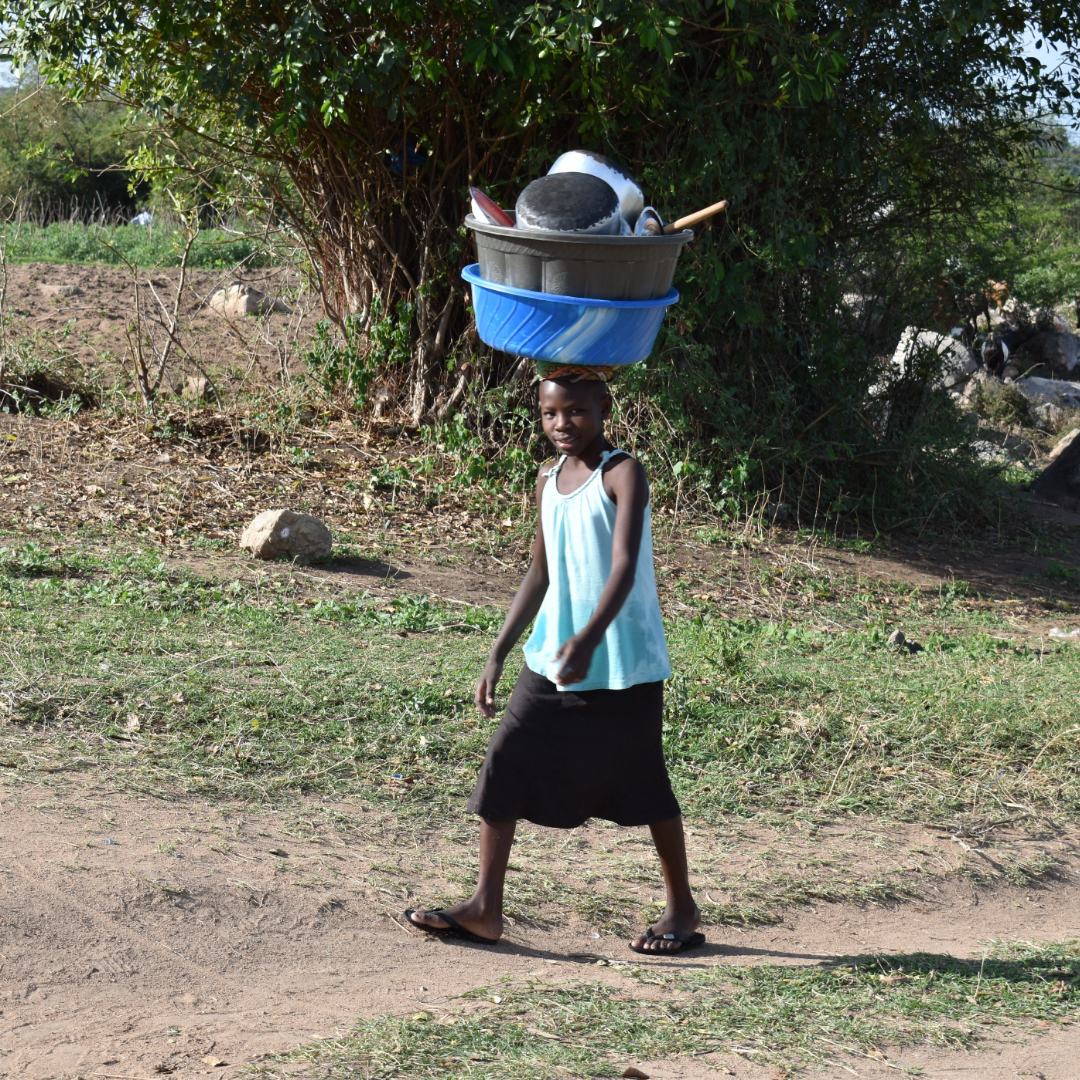
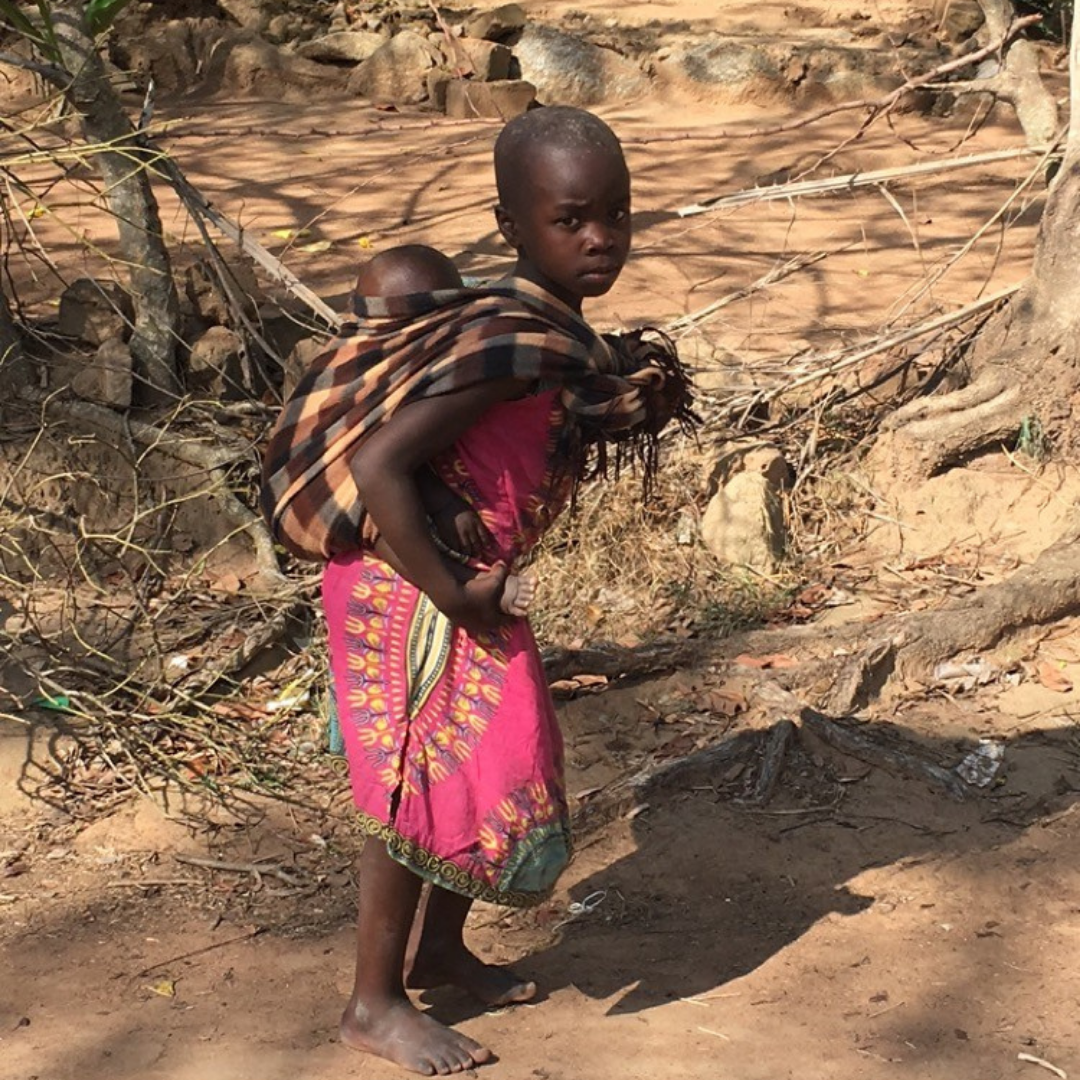
For many women in rural Tanzania, walking is not exercise or training. It is how they reach their farms, collect water and firewood, take produce to market, accompany children and access healthcare. These journeys most often involves carrying heavy loads or a child, in the African sun and over rough ground. Depending on the route and time of day, women and girls may also face risks to their personal safety.
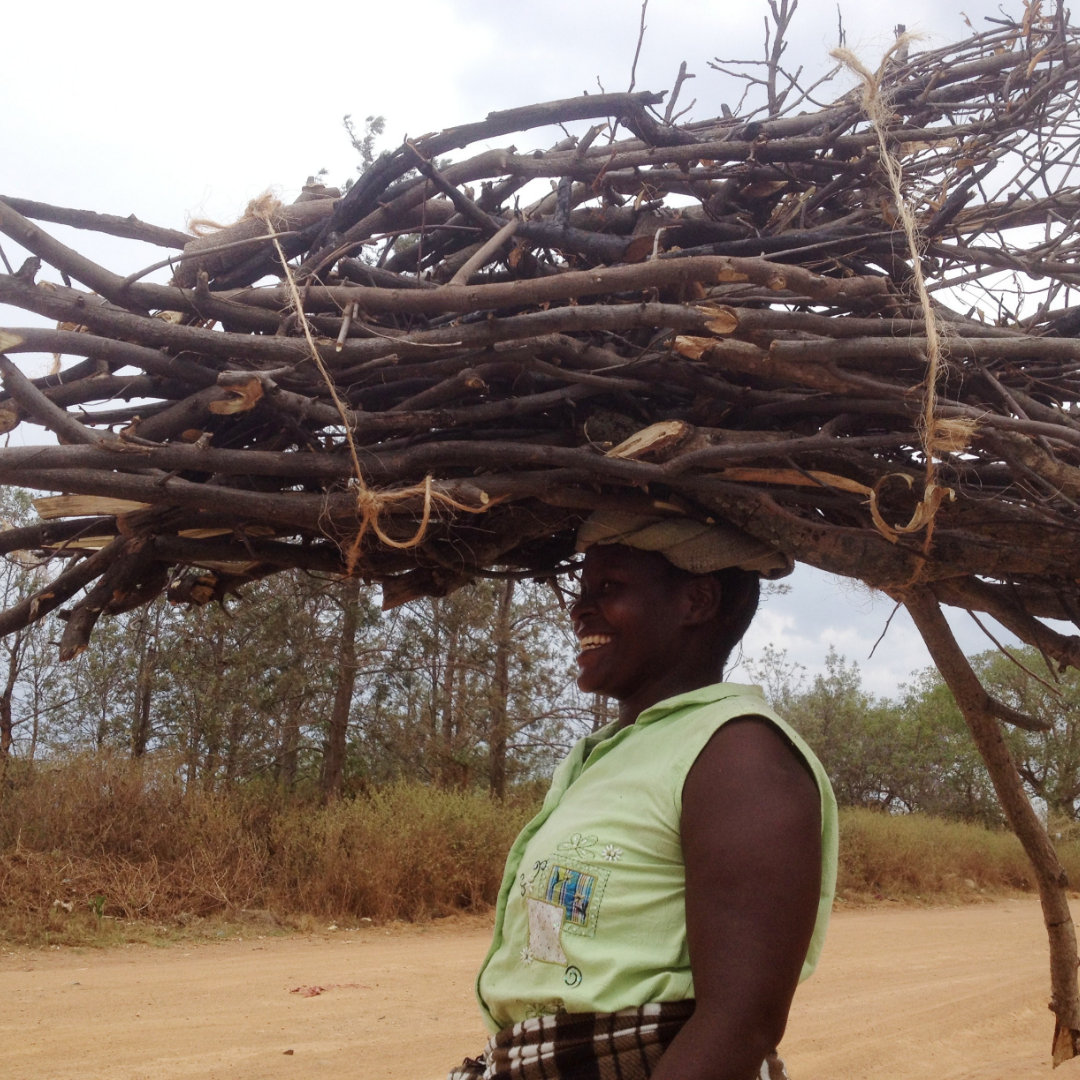
There is no single, honest figure for how far a rural Tanzanian woman walks in a week. Circumstances vary considerably. But many cover substantial distances simply to carry out the work that sustains their households and communities.
I have been feeling humbled by that comparison. Training for Kilimanjaro is teaching me something that Tanzanians have demonstrated to me many times: hardship is met by continuing, one foot in front of the other. That does not mean hardship should be accepted or romanticised. It means I am learning to complain a little less, keep moving and remember why this climb matters.
The strength of Tanzanian women is undeniable, but strength should never become an excuse for inadequate services, unsafe journeys or unequal burdens. Women should not have to endure preventable hardship simply because they have always found a way to do so.
Halfway there, but the need has grown
Thanks to the generosity of our supporters, we are now halfway towards our initial $20,000 goal for Rising for Mothers: The Kilimanjaro Maternity Climb.
Since setting that target, the situation at Kamanga Health Centre has changed. The inverter has broken and must be replaced. This is not a minor inconvenience. It is affecting the power supply across the entire hospital, including the services on which women, newborns and other patients depend.
As a result, we now need to raise at least $30,000.
Our original goal was focused on reliable solar power for the new maternity ward. Replacing the failed inverter is now an essential part of ensuring that the wider health facility, as well as the expanded maternity services, can operate with dependable electricity.
We want to be transparent about this increased need. Reaching $20,000 will remain an important milestone, but it will not be enough to meet the reality now facing the hospital.
As the widely cited African proverb goes, “If you want to go fast, go alone. If you want to go far, go together.”
Grant and I may be taking the steps up Kilimanjaro, but we cannot reach this goal alone. Every contribution, every campaign share and every conversation brings us closer to reliable power and safer maternal healthcare at Kamanga Health Centre.
We are halfway to our initial goal. Will you help us go further?
Every donation moves a climber closer to the summit and powers the new maternity ward.
Thank you for walking alongside us.
With gratitude,
Nina and the Cedar Team