A week after Africa Down Under, I found myself back in another important room, listening to one of the African Union's most senior leaders articulate an argument I have been making for years.
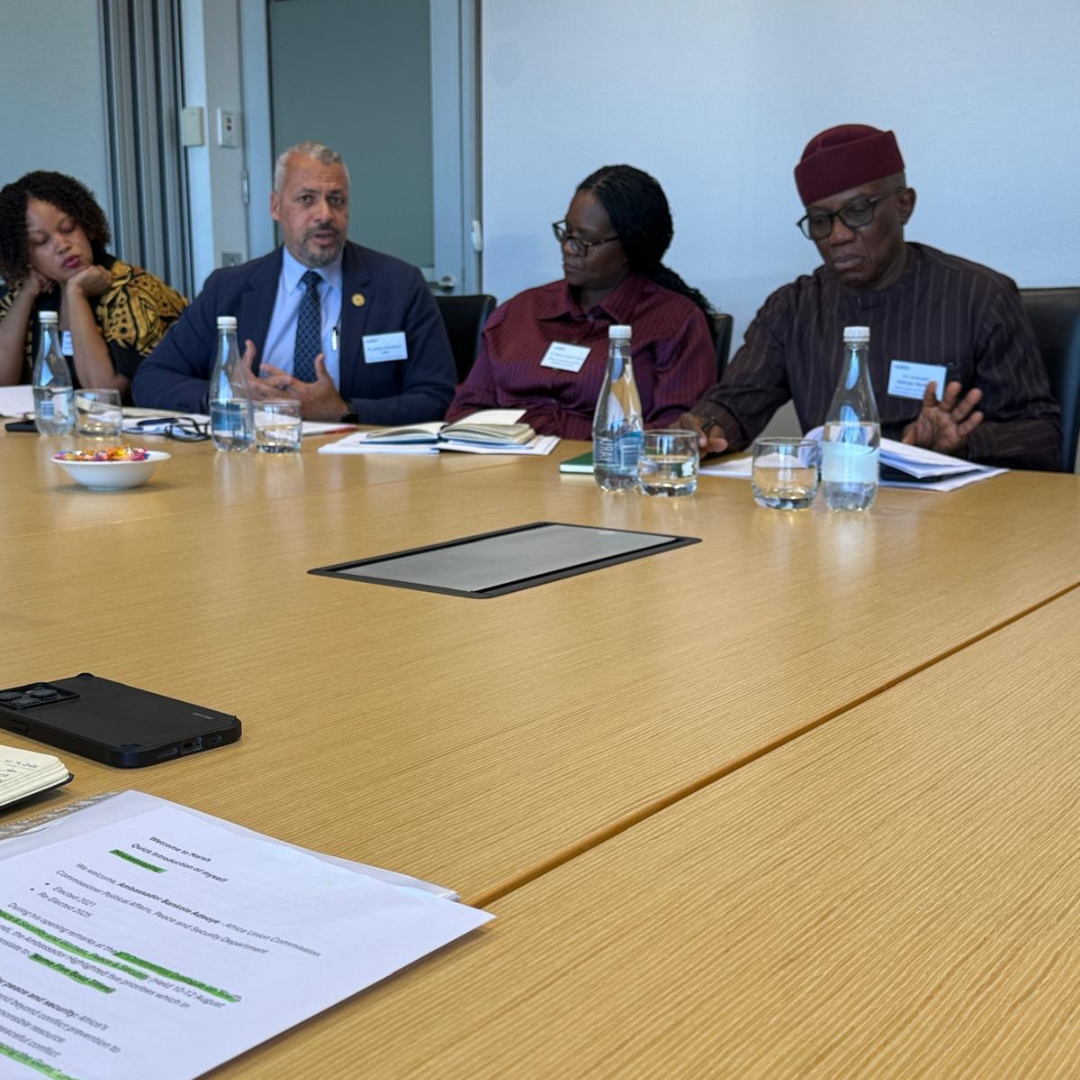
H.E. Ambassador Bankole Adeoye, the African Union Commissioner for Political Affairs, Peace and Security, was speaking at an AAMEG and Marsh Boardroom Series event in Perth. His portfolio spans governance, conflict prevention, peace and stability across Africa. It was therefore significant to hear him speak so directly about the connection between private-sector investment, strong communities and stable operating environments.
One comment in particular stayed with me:
“We are not talking about aid anymore. We are talking about investment.”
Ambassador Adeoye urged companies to see corporate social responsibility as part of their investment because it helps create peace and stability. He spoke about investing in people and health, creating meaningful employment for Africa's growing youth population and working with the communities living closest to operations.
He also offered a frank challenge to the extractive sector. Africa cannot continue to produce for other markets while too little value remains for its own people. Investment must leave something meaningful behind.
Community investment is not something that sits at the edge of a company's operation. When it is grounded in local priorities and delivered well, it contributes to trust, opportunity, social cohesion and a stronger operating environment. It is both the right thing to do and sound business practice.
Continuing the momentum from Africa Down Under
The meeting was also a reminder that our work to influence how Australian companies engage with African communities did not end when the ADU banners came down.
Throughout the week, I met company leaders, advisers and government representatives. I was able to bring a perspective that can sometimes be missing from those rooms: the perspective of the communities living alongside major projects.
Our message was simple. Communities are not merely beneficiaries, and they should not be viewed primarily as risks to be managed. They are partners. Their knowledge, priorities and participation are essential to creating stronger communities and more sustainable operations.
The value of ADU cannot be measured only by agreements announced during the conference. We began new relationships, advanced existing conversations and strengthened our position as a credible bridge between the private sector, Tanzanian expertise and community priorities.
None of us does this alone
Ambassador Adeoye encouraged Australian companies operating in Africa to bring other Australian organisations and businesses with them to contribute expertise in areas such as agriculture and community development.
That reflects the partnership model we have developed over many years:
Companies bring resources, commitment and a long-term interest in responsible and sustainable operations.
Australia for Cedar Tanzania brings established community relationships, development expertise and Australian governance and financial oversight.
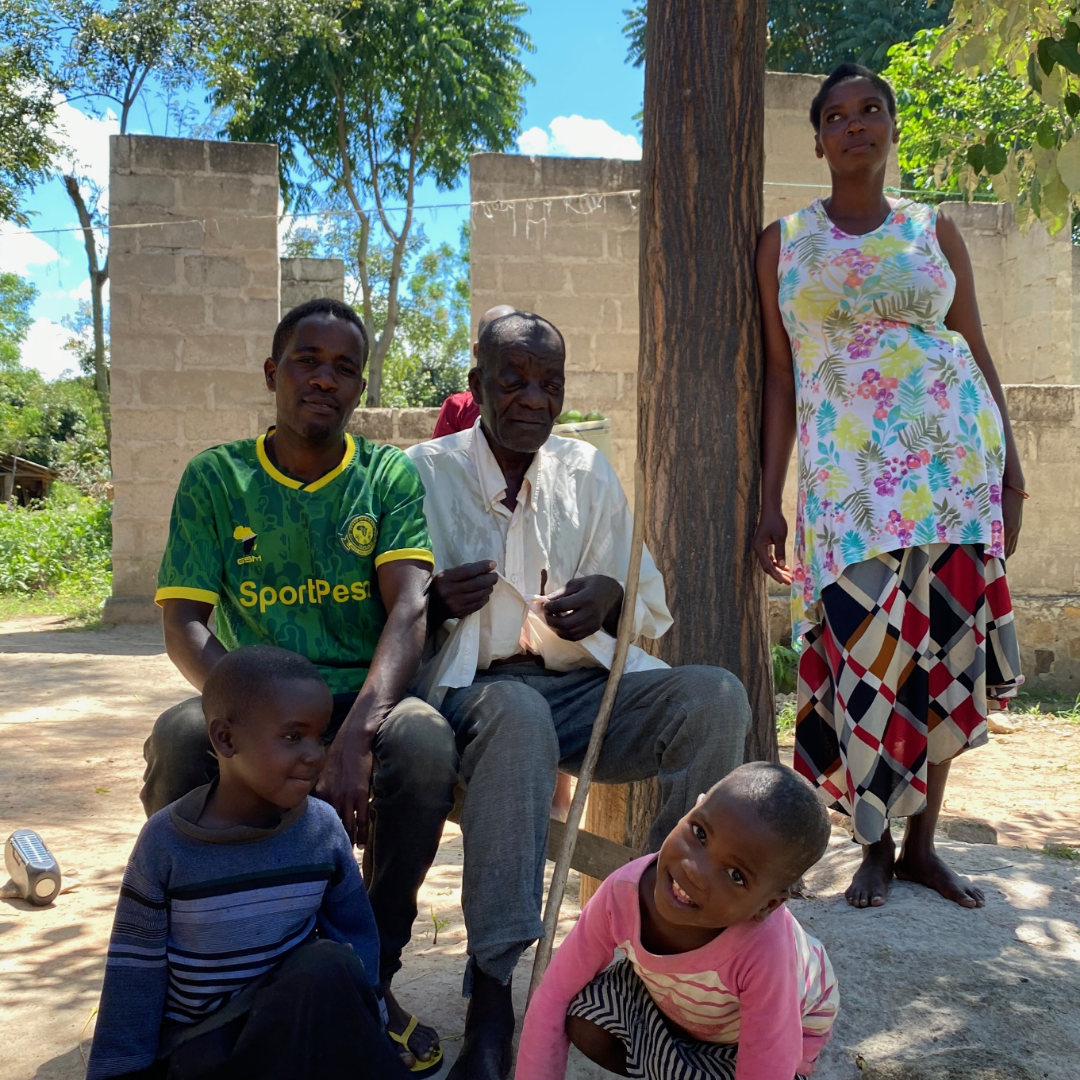
Our Tanzanian team and partner communities bring local knowledge, lived experience, priorities and implementation capability.
Each partner brings something different. None of us achieves meaningful, lasting change alone.
Come and build the next one with us
The past two weeks have provided recognition, access and encouragement. The task now is to turn that momentum into action.
At our hospital in Tanzania, the next phase includes a much-needed operating theatre and reliable solar power. Across the wider community, we have several programmes ready to progress in health, livelihoods, women's economic participation, disability inclusion and youth development.
These are not generic projects waiting for a logo. They are locally identified priorities, built on long-term relationships and supported by the systems needed for accountable delivery.
To AAMEG, our partners, our Tanzanian colleagues and the communities we serve, thank you. Every nomination, introduction and opportunity to speak comes from work undertaken collectively over many years.
And to the companies considering what responsible investment in Africa can look like in practice: come and build the next one with us.
To discuss a community investment partnership with Australia for Cedar Tanzania, contact Nina Hjortlund at nina@cedarfoundation.org
With gratitude,
Nina and the Cedar Team