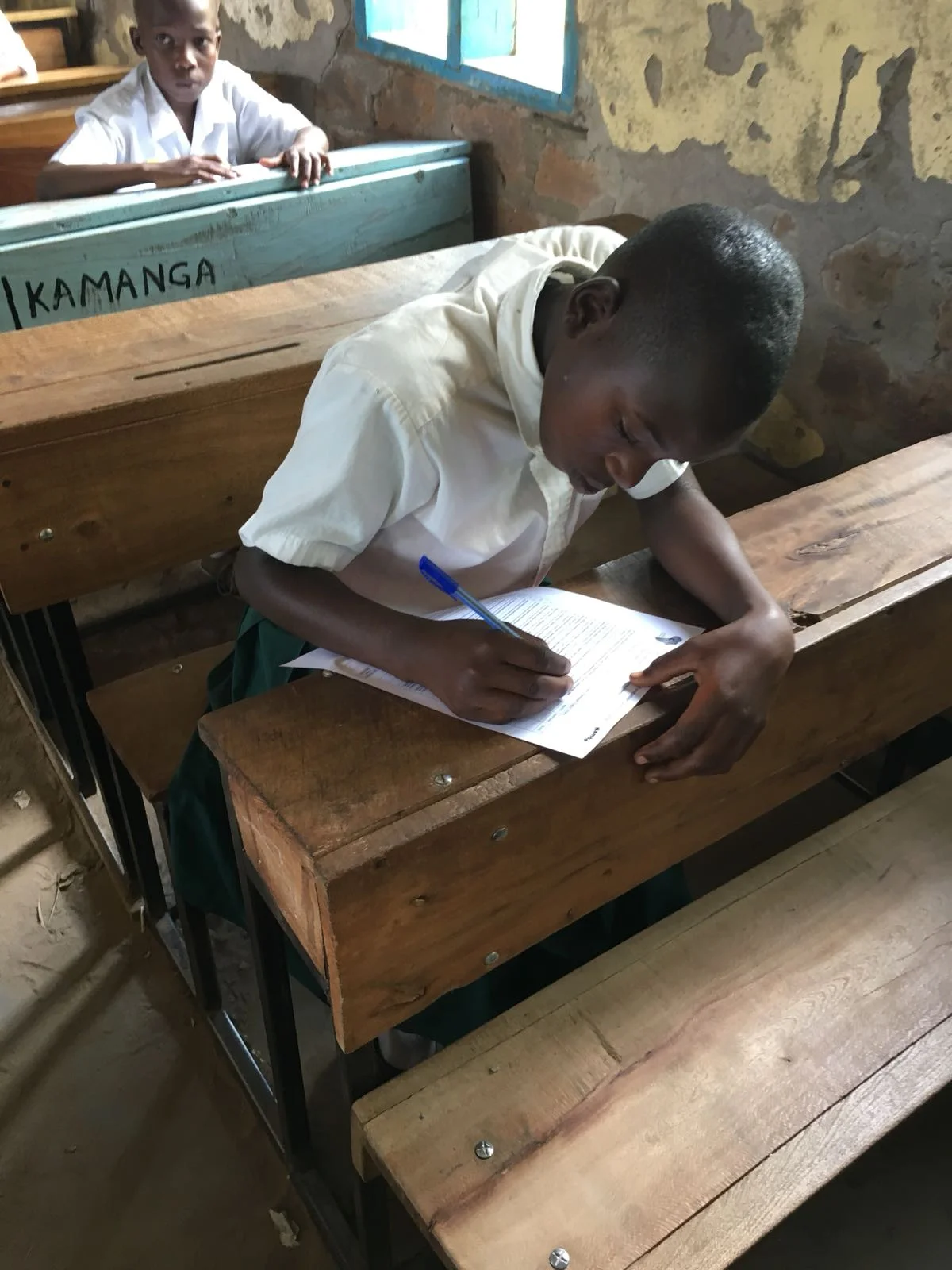
In rural Tanzania, access to healthcare is not a given.
For many individuals living with disability, distance, cost, stigma, and lack of information create barriers that prevent any engagement with formal medical services. Without intervention, conditions go untreated, complications escalate, and entire households carry the burden.
This is why our Outreach Healthcare Programme exists.
And this is what impact looked like in the first quarter of this year.
429 individuals living with disabilities are now registered in our programme across the two wards we serve.
Each month, our team reaches an average of 264 people in their homes, delivering consistent, personalised care. Some people receive frequent visits, others only when needed, depending on their individual needs.
In total, 1,490 home visits were conducted this quarter alone. That is an average of 24 visits per day across our 3 teams.
But these numbers only tell part of the story.
Our team were alerted to a man who had experienced multiple strokes.
Without access to formal healthcare, he had initially sought treatment through a traditional healer. The underlying cause, high blood pressure, remained undiagnosed and untreated. After a second stroke, he was left bed-bound, with significant loss of mobility.
By the time our team reached him, his condition had progressed severely.
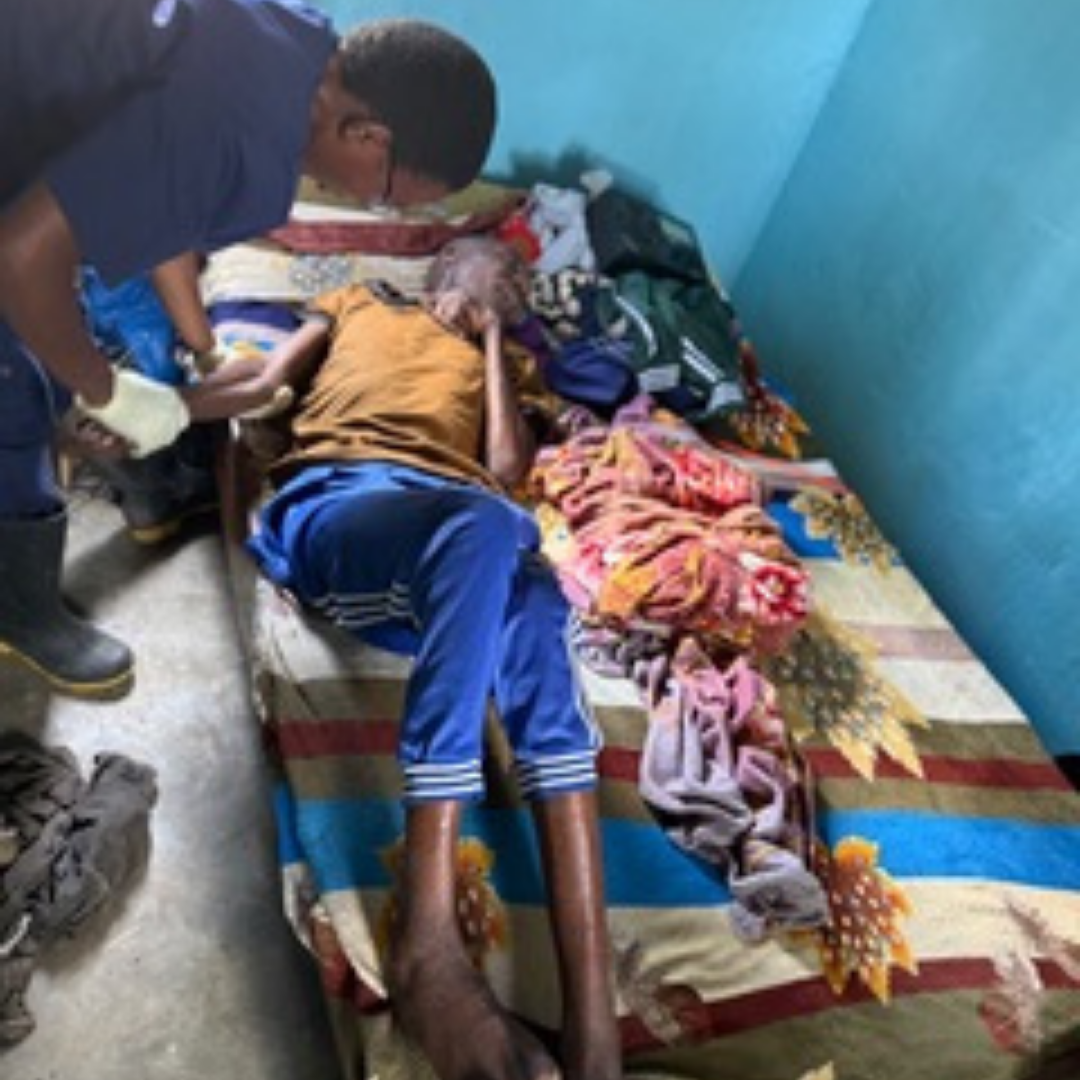
Today, that trajectory has changed.
Through consistent outreach support, his blood pressure is now stabilised with medical treatment. He is receiving ongoing physiotherapy and occupational therapy to rebuild strength and coordination. With a wheelchair, provided by our team, he is no longer confined to bed and can sit up, move outside, and re-engage with daily life supported by his family.
This is what access to continuous, community-based healthcare makes possible.
Reaching beyond the visible
During another visit, also to a stroke patient, another story emerged.
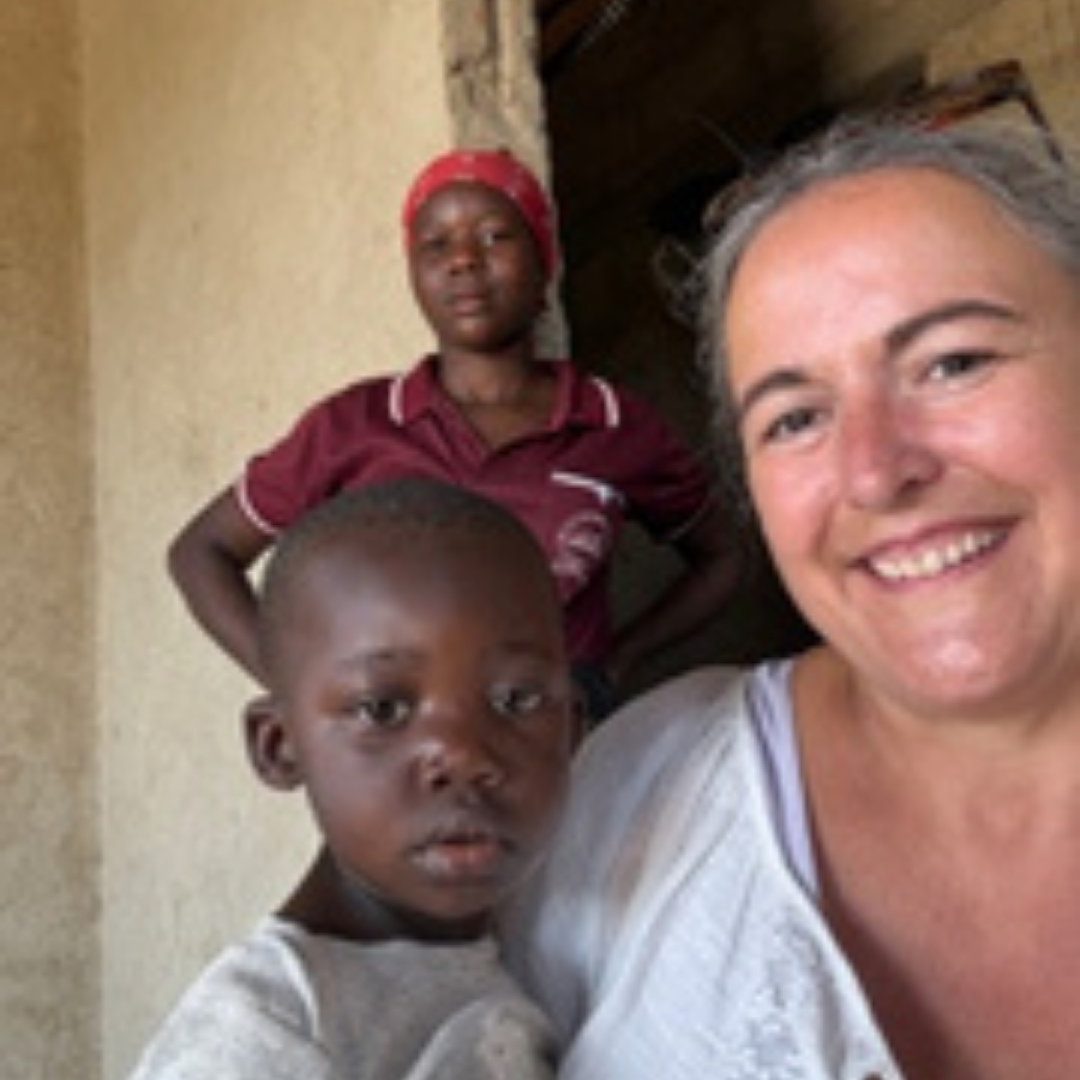
In the background of the household was a young girl who is unable to speak. She had never been assessed by a medical professional, and the cause of her condition remains unknown.
Without this visit, it is unlikely she would have entered any form of care.
She is now registered in our programme. Our team is working with her family to better understand her needs and ensure she receives appropriate support moving forward.
This is a critical part of outreach that is often unseen.
Each visit does not only deliver care but also identifies individuals who would otherwise remain completely outside the healthcare system.
A system, not a single service
These are not isolated cases.
For many of the individuals we reach, this is not just their first treatment—it is their first contact with any form of medical care.
Our outreach model creates a continuous pathway:
Identifying individuals in their homes
Providing immediate care and assessment
Connecting them to services at Kamanga Health Centre
Delivering ongoing follow-up through regular visits
This work takes place across a geographically large area, covering the wards of Nyamatongo and Ngoma, home to tens of thousands of residents. Roads are limited. There are no paved roads, only a small number of main dirt roads, and many areas are accessible only by narrow tracks that cannot be reached by car.
To navigate this, our teams operate in pairs using off-road motorbikes—often the only way to reach the most remote households. All team members undergo driving lessons and safe riding training, with annual refreshers to ensure both safety and reliability in the field.
Alongside this, our team continues to build local capacity. Weekly occupational therapy clinics are running at Kamanga Health Centre, and team members are undertaking further medical and counselling training to strengthen long-term service delivery.
This is how sustainable, community-led healthcare systems are built.
Looking ahead
We are now working towards registering and supporting 500 individuals across our areas, ensuring that those currently beyond the reach of the healthcare system are not left behind.
Because access to healthcare should not depend on where you live, your mobility, or your circumstances.
It should be consistent, reliable, and within reach.
And that is exactly what outreach is designed to deliver.
With gratitude,
Nina and the Cedar Team