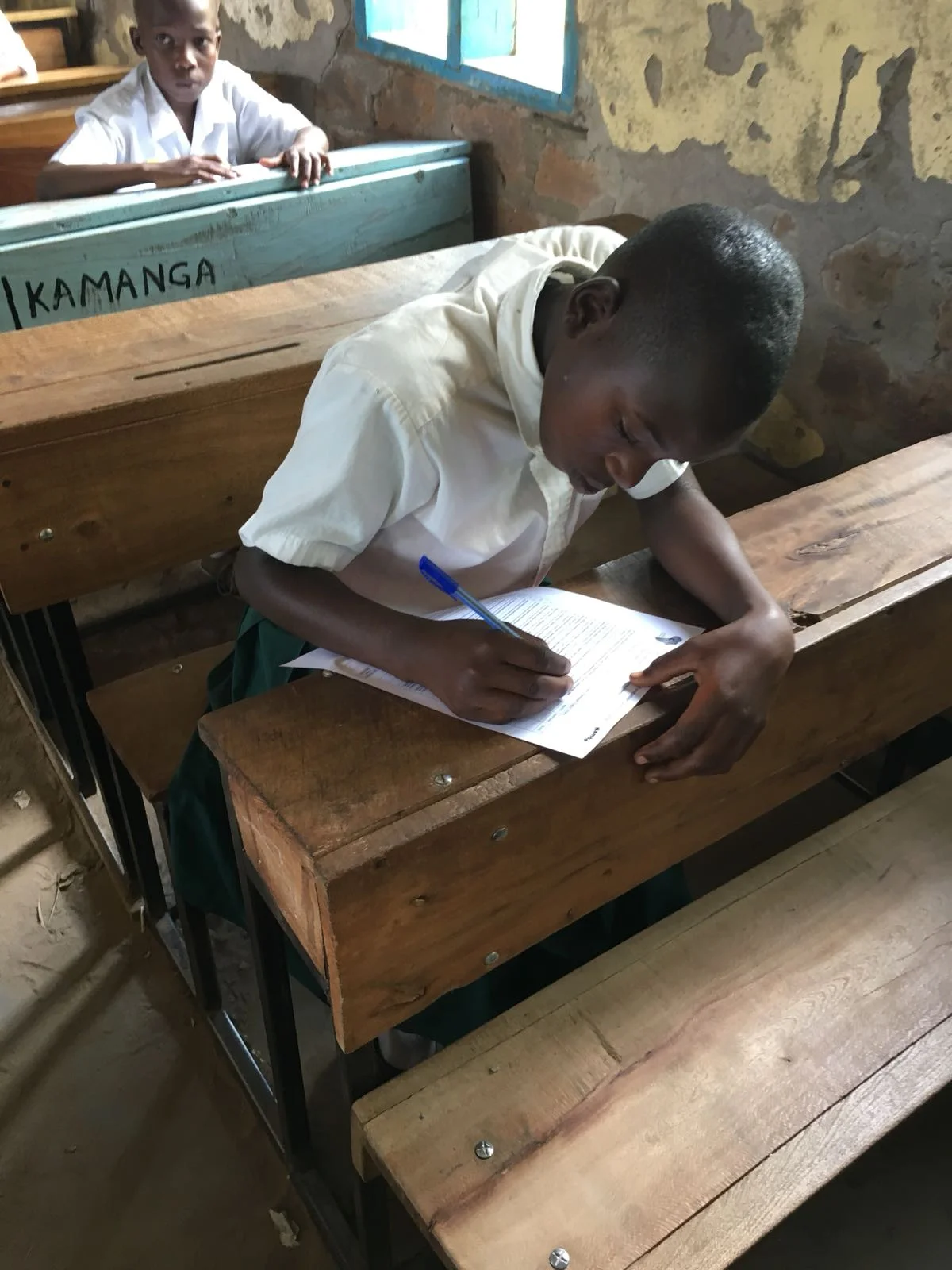
Across many communities in rural Tanzania, access to formal banking, loans, and financial education remains extremely limited.
For many families, unexpected expenses such as medical costs, school fees, crop failure, or repairs to fishing equipment can quickly become a major financial crises.
To strengthen long-term financial resilience within the community, we have facilitated SHGs (Savings and Loans Groups) across the areas we work in.
These groups create safe, structured spaces where community members save, learn, and support one another financially.
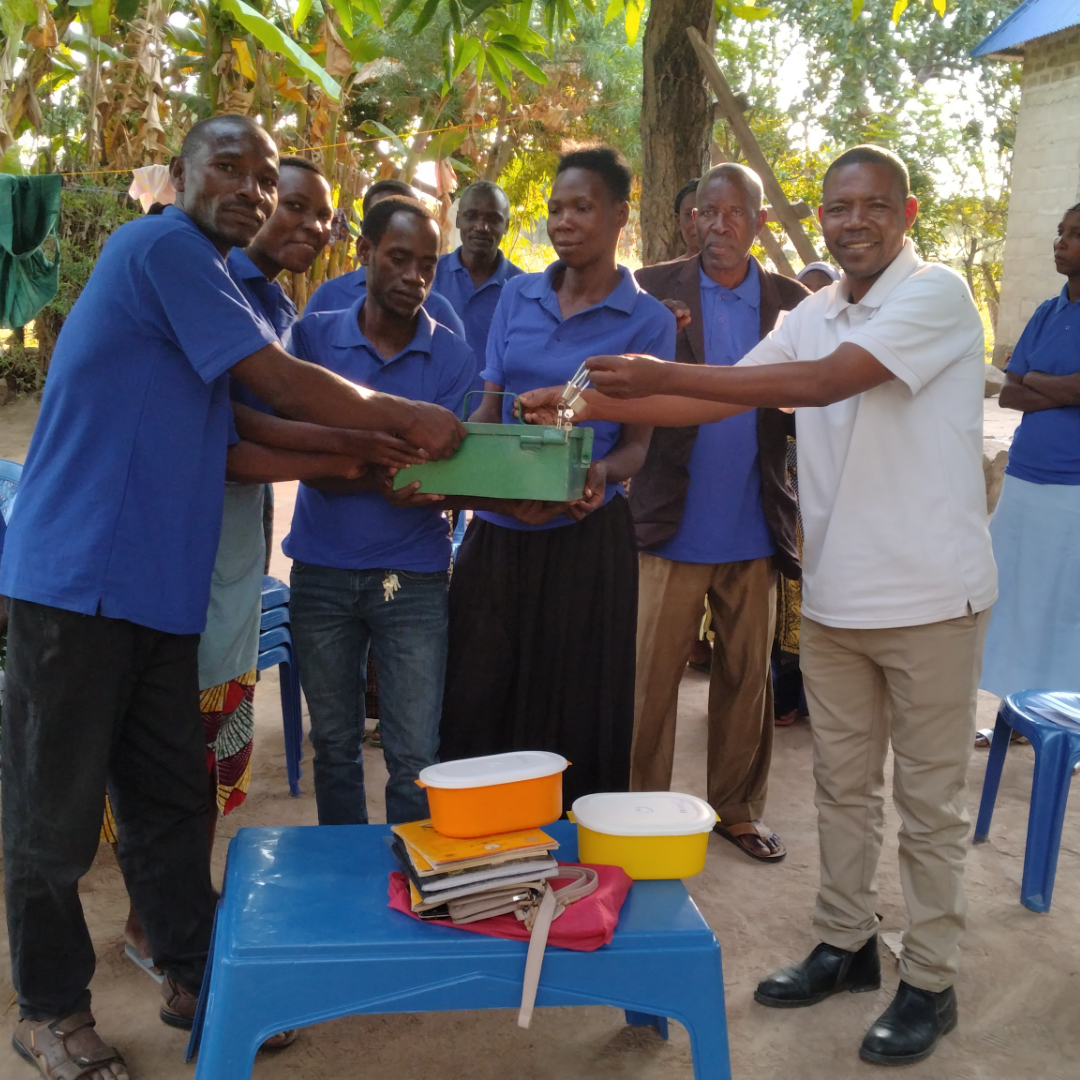
What Is An SHG?
A Savings and Loans Group is a community-led group in which members contribute small savings each week into a shared pool.
Members can then access small loans from the group to:
start or expand small businesses
support farming activities
pay school fees
manage medical expenses
respond to emergencies
create greater household stability
The groups also provide practical education in:
financial literacy
budgeting
bookkeeping
conflict resolution
entrepreneurship
loan management and repayment
The training is intentionally practical and accessible, ensuring participants can immediately apply their new skills within daily life and income-generating activities.
Community-Led Financial Resilience
Together, members have accumulated significant shared savings and social support funds through regular contributions and collaborative financial management.
Importantly, these groups are not externally controlled financial programmes. They are community-owned systems built on trust, accountability, and mutual support.
The impact extends far beyond money alone.
SHGs strengthen:
financial confidence
local leadership
problem-solving skills
economic participation
social support networks
long-term household resilience
For many participants, this is the first time they have had structured access to savings systems, financial planning, or small-scale lending opportunities.
Building Stronger Communities
The Community Centre continues to provide weekly training and mentorship to support the long-term success of these groups.
Topics include:
financial planning
business development
bookkeeping
group governance
communication and collaboration
Health and social topics are also integrated where relevant, reflecting the close connection between financial stability, wellbeing, and community resilience.
These programmes are designed to strengthen long-term self-reliance and create sustainable pathways for families to improve their economic stability.
In areas where there are:
no formal banking services nearby
limited employment opportunities
unreliable transport infrastructure
and ongoing financial pressures
Community-based savings groups can become powerful tools for stability and growth.
Small weekly savings can help families:
avoid high-risk debt
manage unexpected costs
invest in small businesses
improve food security
keep children in school
and create greater financial independence
The impact is practical, local, and long-term.
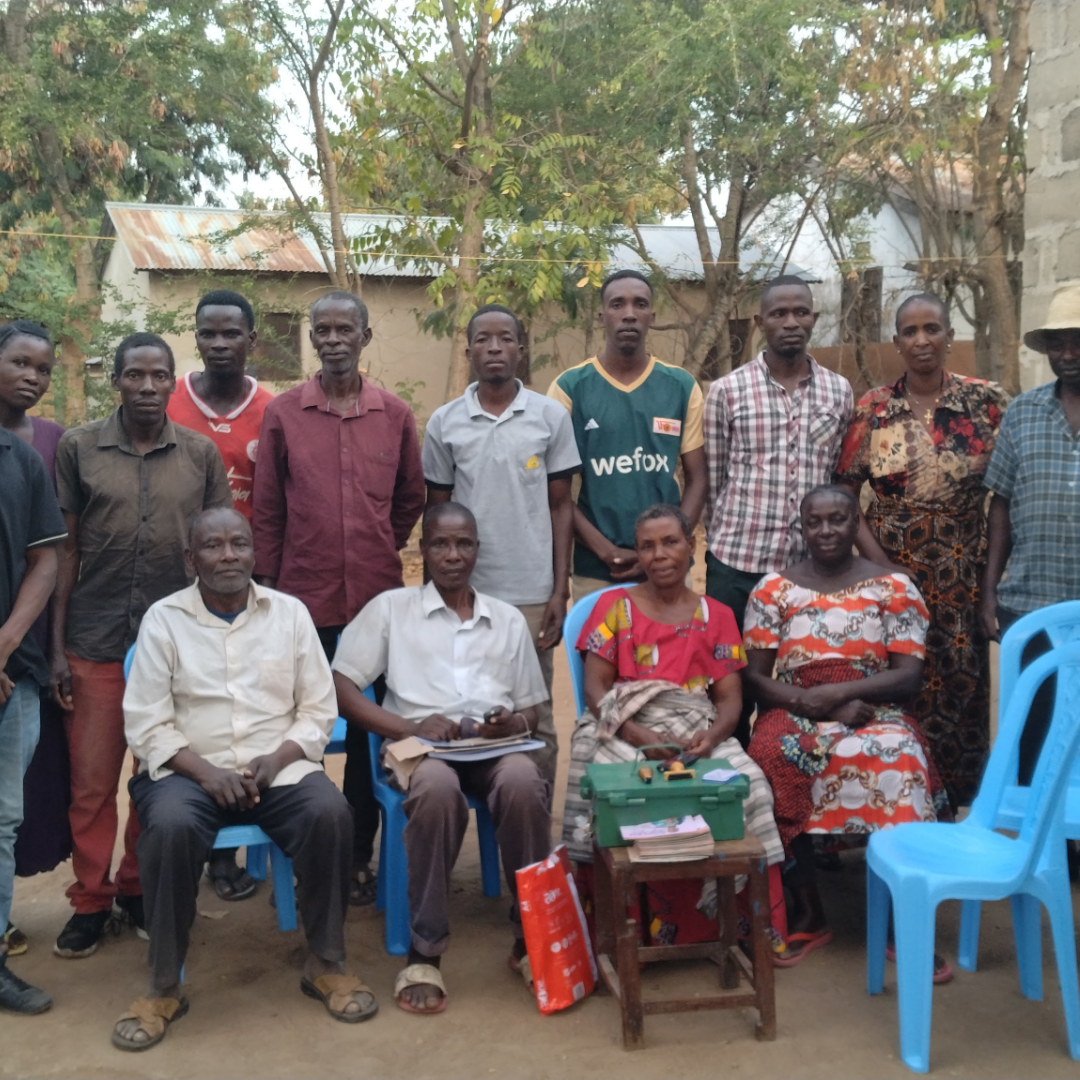
Community-Led Change In Action
The SHG programme reflects Cedar Tanzania’s broader approach to development:
locally driven
skills-focused
sustainable
and community-led
By strengthening local financial resilience, these groups are helping communities create their own pathways toward greater stability and opportunity.
And importantly, they are doing it together.
With gratitude,
Nina and the Cedar Team